


- Home/
- Buy Doxycycline Without Prescription in the United States Online
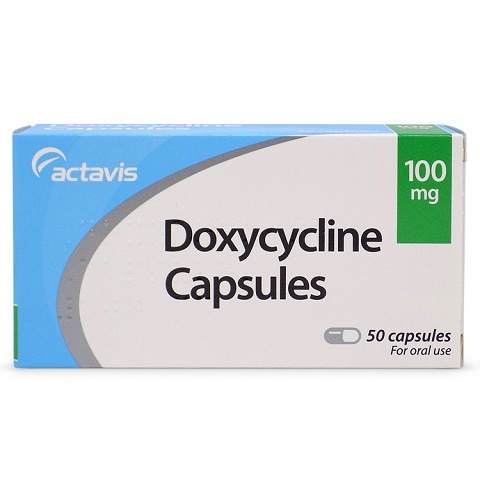
Summary: Doxycycline Key Points (United States)
| Parameter | Details (2026, U.S.) |
|---|---|
| Active Ingredient | Doxycycline (tetracycline antibiotic) |
| Prescription Required? | Yes – federal law mandates Rx |
| Typical Uses | Bacterial infections (respiratory, STI, acne, Lyme disease, etc.) |
| Common Dosage | 100 mg once or twice daily (varies by indication) |
| Onset of Action | Within 24–48 hours for most infections |
| Major Contraindication | Pregnancy, children under 8, severe liver disease |
| Side Effects | GI upset, sun sensitivity, rare tooth discoloration |
| Generic Available? | Yes (multiple FDA-approved generics) |
| Average Price (2026) | $15–$50 for a 10-day course (varies by pharmacy/insurance) |
- Doxycycline is a prescription-only antibiotic in the United States.
- Used for a wide range of bacterial infections.
- Should not be used for viral illnesses (e.g., colds, flu).
- Improvement is often seen within 2–3 days, but course must be completed as prescribed.
- Counterfeits and unregulated “online pharmacies” pose real safety risks.
Can I Get Doxycycline Without a Prescription in the United States?
No, it is illegal to buy Doxycycline without a prescription in the United States. Doxycycline is regulated by the U.S. Food and Drug Administration (FDA) as a prescription-only medication. All legitimate pharmacies — brick-and-mortar and online — require a valid prescription from a licensed U.S. healthcare provider.
Bottom line: Buying Doxycycline without a prescription or from unverified sources is illegal, unsafe, and increases your risk of counterfeit drugs, legal penalties, and treatment failure. The prescription process exists to protect your health and ensure appropriate use.
Some telemedicine platforms (e.g., Teladoc, Amwell, or those affiliated with major health systems in cities like New York, Chicago, or Los Angeles) allow for online doctor consultations and prescription issuance, but a medical evaluation is always required.
How Does Doxycycline Work? (Explained for Patients)
Expert Commentary
Doxycycline is a tetracycline-class antibiotic. It works by binding to the 30S subunit of bacterial ribosomes, effectively blocking the bacteria’s ability to produce essential proteins. Without these proteins, bacteria cannot grow or multiply, and your immune system can finish clearing the infection.
In technical language, Doxycycline inhibits protein synthesis at the ribosomal level — specifically, it prevents tRNA from attaching to the A site of the ribosome. This action is bacteriostatic: it stops bacteria from growing, but doesn’t directly kill them.
It’s effective against a wide range of bacteria, including those causing respiratory infections, some sexually transmitted infections (like chlamydia), Lyme disease, acne, and more. Doxycycline does not work against viruses such as those that cause the common cold or flu.
Some bacteria are now resistant to Doxycycline, so it’s not used for every infection. Your doctor will decide if it’s appropriate based on your medical history and current clinical guidelines.
How to Take Doxycycline: Instructions and Dosing Guide
Dosing by Indication
- Adults (most infections): 100 mg twice daily is standard. Some conditions (like malaria prophylaxis) use 100 mg once daily.
- Children (over 8 years only): Dosing is based on weight; pediatrician guidance is mandatory.
- Acne: 50–100 mg once or twice daily, typically for a longer duration.
- Lyme disease, chlamydia, or pneumonia: Confirm with your physician — may require higher or longer dosing.
Administration Tips
- Take with a full glass (8 oz) of water to prevent esophagus irritation.
- Remain upright for at least 30 minutes after taking the pill (reduces risk of heartburn or throat injury).
- Do not take Doxycycline with dairy products, iron, magnesium, or antacids within 2 hours — these interfere with absorption.
- Take at the same time(s) each day for best results.
- Finish the prescribed course even if you feel better early.
Missed Dose
If you miss a dose, take it as soon as you remember unless it is almost time for your next scheduled dose. Never double up on doses.
Maximum Dose
Do not exceed 200 mg per day in adults unless specifically directed by your healthcare provider. Overdosing increases the risk of severe side effects (see overdose section).
Food, Alcohol, and Lifestyle Compatibility Check
| Product/Lifestyle Factor | Can be combined? | Consequences / Advice |
|---|---|---|
| Dairy (milk, cheese, yogurt) | No (at same time) | Reduces absorption. Separate by at least 2 hours. |
| Antacids (calcium, magnesium) | No | Blocks medicine effect. Avoid 2 hours before/after. |
| Iron supplements | No | Reduces absorption. |
| Food (non-dairy) | Yes (preferably with light meal) | May reduce stomach upset. |
| Alcohol | Best avoided | May reduce antibiotic effectiveness and increase liver risk. |
| Grapefruit juice | Yes (no significant interaction known) | No clinical concern, but avoid excessive intake. |
| Driving/Machinery | Usually safe | Unless experiencing dizziness or blurred vision. |
Key takeaway: For best absorption, take Doxycycline on an empty stomach with water. If stomach upset occurs, a light non-dairy snack is acceptable. Avoid iron, antacids, and calcium close to dosing times. If you drink alcohol, keep intake minimal or avoid entirely while on antibiotics.
Who Should Not Take Doxycycline? Contraindications and Special Cautions
Absolute Contraindications (Never Use)
- Pregnancy: Doxycycline crosses the placenta and can cause fetal harm, including permanent tooth discoloration and impaired bone growth. Never use in pregnancy unless no alternatives exist, and only with specialist oversight.
- Children under 8 years: Risks include permanent staining of teeth and effects on bone development.
- Severe hepatic (liver) failure: Doxycycline is metabolized by the liver; impairment increases risk of toxicity.
- Known allergy to Doxycycline or tetracyclines.
Relative Contraindications (Use With Caution)
- Mild or moderate liver or kidney disease: Dose adjustments may be necessary; close monitoring advised.
- History of esophagus disease (GERD, Barrett’s): Doxycycline can cause severe esophageal irritation.
- Photosensitivity: If you are very sensitive to sunlight, inform your physician.
- Concurrent use of other hepatotoxic (liver-toxic) medications.
Interactions With Other Medications
- Warfarin (and other blood thinners): Doxycycline can increase anticoagulant effects.
- Antiseizure drugs (phenytoin, carbamazepine): May reduce Doxycycline effectiveness.
- Oral contraceptives: May slightly reduce efficacy; consider backup contraception.
What Side Effects Are Most Common with Doxycycline?
Question & Answer Format
- Q: What are the very common side effects (>1 in 10)?
-
- Gastrointestinal upset (nausea, vomiting, diarrhea, heartburn)
- Photosensitivity (increased risk of sunburn or rash)
- Q: What are the common side effects (>1 in 100, <1 in 10)?
-
- Mild headache
- Loss of appetite
- Mild skin rash
- Q: What are the rare side effects (<1 in 1,000)?
-
- Allergic reactions (hives, breathing difficulty, swelling)
- Severe skin reactions (Stevens-Johnson syndrome – extremely rare)
- Liver damage or hepatitis
- Clostridioides difficile (C. diff) diarrhea (from disrupted gut flora)
- Q: Why do these side effects happen?
-
Doxycycline affects rapidly dividing cells and gut bacteria. This can lead to digestive symptoms and increased skin sensitivity to sunlight. Rarely, immune reactions or liver strain can cause more serious effects.
- Q: What should I do if I experience side effects?
-
- For mild GI upset: Take with a small snack but avoid dairy.
- For sunburn: Use sunblock and limit sun exposure.
- For serious symptoms (allergy, severe rash, yellowing eyes/skin): Stop the drug and seek emergency medical help immediately (call 911).
Doxycycline vs. Alternatives: Which Antibiotic Is Better?
Comparison Table
| Drug | Typical Uses | Onset | Duration | Price (10-day course) | Unique Risks |
|---|---|---|---|---|---|
| Doxycycline | Broad spectrum: respiratory, STI, Lyme, acne | 24–48 h | 12–24 h (half-life) | $15–$50 | Photosensitivity, tooth discoloration (kids) |
| Amoxicillin | Respiratory, ear, urinary, dental | 24 h | 8–12 h | $10–$40 | Allergy (penicillin rash, anaphylaxis) |
| Azithromycin | Respiratory, STI, some skin infections | 24 h | 68 h (long half-life) | $20–$70 | QT prolongation (heart rhythm), GI upset |
In short: Doxycycline is often chosen when allergy to penicillins is present, or for infections like chlamydia, Lyme disease, or acne that respond poorly to other antibiotics. For many common infections, Amoxicillin or Azithromycin might be options depending on local resistance patterns and patient allergies.
No single antibiotic is “best” — your doctor will select the safe and effective option for your infection, based on national guidelines (see CDC/IDSA guidelines).
Doxycycline: Detailed Facts Table for United States Patients
| Parameter | Value |
|---|---|
| Prescription status | Rx only (federal and state law) |
| Available forms | Capsules, tablets, suspension, delayed-release (varies by manufacturer) |
| Half-life (adults) | 12–24 hours |
| Metabolism | Primarily liver (non-enzymatic); minor renal excretion |
| Elimination | Bile/feces (main), urine (minor) |
| Generic availability | Yes (multiple FDA-approved manufacturers) |
| Insurance coverage | Most insurance/Medicare/Medicaid plans cover generic versions |
| Storage | Room temperature (20–25°C/68–77°F); protect from light |
| Reimbursement | May be subject to copay; $4–$20 with insurance (2026 data) |
Note: Always check your specific plan and pharmacy for up-to-date pricing and availability.
Step-by-Step: How to Legally Obtain Doxycycline in the United States
-
Schedule a Consultation:
Book an appointment with your primary care provider, an urgent care clinic, or a telemedicine service (such as Amwell, Teladoc, or your local health system’s online platform). -
Medical Evaluation:
Provide your symptoms and medical history. The provider will determine if Doxycycline is appropriate after a clinical assessment. -
Receive Prescription:
If indicated, the doctor will issue a prescription. This can be sent electronically to the pharmacy of your choice. -
Fill Prescription at a Licensed Pharmacy:
Choose a pharmacy (CVS, Walgreens, Walmart, Rite Aid, or a hospital pharmacy) or a legally certified online pharmacy (check for .pharmacy domain, NABP certification). -
Pick Up or Use Legal Delivery Services:
Use curbside pickup, home delivery, or mail-order depending on your pharmacy’s offerings. Only official U.S.-licensed pharmacies can legally dispense Doxycycline. -
Take as Prescribed:
Follow the dosing and administration instructions exactly. Complete the full course, even if you feel better early.
How to Spot Counterfeit Doxycycline (And Why Authenticity Matters)
Quality Check: Genuine Doxycycline Appearance
- Packaging: Blister packs or bottles with legible labeling, NDC code, and manufacturer information.
- Tablet/capsule: Consistent color and shape, imprinted with manufacturer ID (e.g., “DAN 5557”).
- Seal: Tamper-evident. Most major manufacturers use holograms or QR codes on packaging (increasingly required since 2025).
- Leaflet: FDA-approved insert in English with complete dosing, side effect, and warning info.
| Check | Real Product | Counterfeit Warning |
|---|---|---|
| Price | Consistent with local pharmacy rates | Much cheaper than market average |
| Pharmacy | .pharmacy domain, NABP certification | No Rx needed, no U.S. address/licensing |
Why this matters: Counterfeit Doxycycline may contain no active ingredient, the wrong drug, or even dangerous contaminants. These fakes have led to hospitalizations and treatment failures in the U.S. (CDC, 2024).
FDA-approved generics must meet strict quality standards and contain the same active ingredient and dosage as brand-name Vibramycin and others. They may vary in color, shape, or inactive ingredients (excipients), which rarely cause allergies. If you have known allergies to specific fillers, ask your pharmacist to check the ingredient list before filling.
Doxycycline in Special Populations: Children, Pregnancy, Chronic Illness
Expert Commentary
- Pediatrics: Do not use in children younger than 8 years except for life-threatening conditions (e.g., Rocky Mountain Spotted Fever). Even then, risks and benefits are carefully weighed.
- Pregnancy and Breastfeeding: Doxycycline is generally avoided due to risks of fetal harm and effects on developing teeth/bones. Safer alternatives are usually available.
- Chronic Kidney or Liver Disease: Use with caution; dose adjustments or monitoring of liver/kidney function may be needed.
- Fertility & Family Planning: No evidence that Doxycycline affects fertility in men or women. Not associated with birth defects after completed therapy prior to conception.
- Driving/Operating Machinery: Doxycycline rarely causes dizziness or blurred vision. Use caution if you experience such symptoms.
- Immunosuppression: Doxycycline is generally safe but may be less effective if your immune system is severely compromised.
Empathy note: Needing antibiotics does not mean you have failed in any way — infections are common, and early help is the best path to recovery.
What To Do in Case of Doxycycline Overdose
- Stop taking the medication immediately.
- Call Poison Control (1-800-222-1222) or 911 if you or someone else may have taken too much.
- Be ready to share: the amount taken, when, your age/weight, and any symptoms.
- Do not induce vomiting unless told by medical professionals.
- Bring the medication bottle/package to the ER or provider if possible.
Symptoms of overdose can include severe nausea/vomiting, confusion, yellowing of the skin/eyes, or seizures. Immediate medical attention may prevent serious harm.
FAQ: Doxycycline in the United States
- Is Doxycycline safe for COVID-19 or viral infections?
- No. Doxycycline only treats bacterial infections. It is not effective against viruses, including the virus causing COVID-19.
- Can I use Doxycycline every day for acne?
- It is commonly used for long-term acne, but only under regular supervision by a dermatologist.
- Is Doxycycline available over-the-counter?
- No. It is illegal and unsafe to purchase Doxycycline without a valid prescription in the United States.
- What should I do if I miss a dose?
- Take it as soon as you remember, unless it is almost time for your next dose. Never double up.
- Can I drink alcohol while taking Doxycycline?
- It is best to avoid alcohol, as it may reduce effectiveness or increase side effects.
- How long before I feel better?
- Most people notice improvement within 2–3 days, but complete the full course as prescribed.
- Does insurance cover Doxycycline?
- Most insurance plans, including Medicare and Medicaid, cover generic Doxycycline with a copay.
- Are generics as good as brand-name?
- Yes. All FDA-approved generics must meet the same quality and effectiveness standards as brand-name products.
- What happens if Doxycycline does not work?
- Return to your healthcare provider — you may need a re-evaluation, a different antibiotic, or further testing.
References
- U.S. Food & Drug Administration (FDA). Doxycycline Prescribing Information. Accessed June 2026.
- Centers for Disease Control and Prevention (CDC). STD Treatment Guidelines: Doxycycline. Accessed June 2026.
- Infectious Diseases Society of America (IDSA). Antimicrobial Therapy Guidelines. Accessed June 2026.
- National Library of Medicine, PubMed. Doxycycline – Clinical Studies. Accessed June 2026.
- American Academy of Dermatology. Acne: Doxycycline Treatment. Accessed June 2026.
- National Association of Boards of Pharmacy (NABP). Identifying Safe Pharmacies Online. Accessed June 2026.