


- Home/
- Buy Glucophage in Online Pharmacy in United States Securely
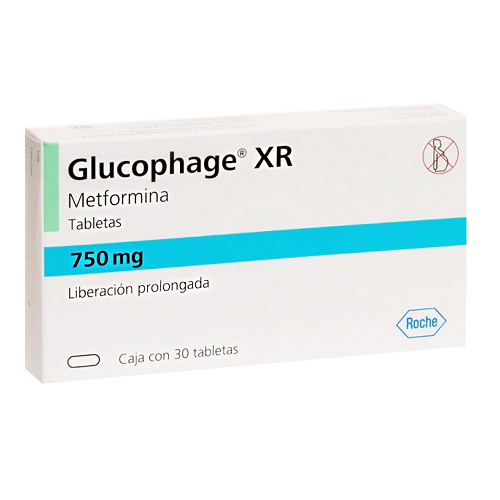
Glucophage (Metformin) in United States: Comprehensive Medical Guide for Safe Use, Prescription, and Alternatives
Can I Get Glucophage Without a Prescription in the United States?
No, Glucophage (metformin) requires a prescription in the United States. It is illegal and unsafe to obtain Glucophage without a valid prescription from a licensed healthcare provider. U.S. regulations (FDA) mandate a prescription to ensure appropriate use, dosage, and monitoring for side effects or drug interactions.
Key Takeaways: Glucophage at a Glance
| Parameter | Details |
|---|---|
| Active Ingredient | Metformin hydrochloride |
| Indication | First-line therapy for type 2 diabetes (adult and pediatric ≥10 years) |
| Prescription Status (U.S.) | Prescription-only (Rx) |
| Starting Dose | 500 mg once or twice daily with food |
| Main Contraindication | Severe kidney impairment (eGFR <30 mL/min/1.73m²) |
| Common Side Effects | Gastrointestinal upset (nausea, diarrhea), metallic taste |
| Approximate Price | $4–$15/month (generic), $50–$120/month (brand-name) |
Bottom line: Glucophage is a well-established, affordable, first-line type 2 diabetes medication in the U.S., but it requires a prescription and routine monitoring for safety.
How Does Glucophage (Metformin) Control Blood Sugar?
Glucophage’s active ingredient, metformin, works primarily by reducing the liver’s production of glucose (hepatic gluconeogenesis). It also increases insulin sensitivity in muscle and fat tissues, helping your body use insulin more effectively. Unlike some medications, metformin does not stimulate the pancreas to produce more insulin and does not cause hypoglycemia when used alone.
The mechanism involves activation of an enzyme called AMP-activated protein kinase (AMPK), which acts as a metabolic master switch. AMPK decreases the amount of sugar released by the liver and increases uptake of sugar by muscles. In practical terms, this results in lower blood glucose without weight gain — and, in some cases, modest weight loss.
Metaphor: Imagine your liver as a sugar factory that’s always running. Metformin turns down the factory’s production line while also letting the body’s muscles and tissues use the sugar already in the bloodstream more efficiently, like opening more delivery doors for sugar trucks.
Metformin’s action is independent of blood glucose levels — it works continuously while present in the body. Its effects depend on consistent daily intake.
Expert Commentary from doctor
In my experience, one of the most common misunderstandings about Glucophage is that it can completely “fix” diabetes on its own. Many patients are surprised to learn that diet, exercise, and weight management are as important as the medication itself. A frequent mistake I see: patients skipping doses when they feel well or only taking their medication when blood sugar “feels” high. This undermines metformin’s ability to maintain steady glucose control. I always advise patients: consistency is key for both effectiveness and for minimizing side effects. Another tip — always take it with food to reduce stomach upset, and let your provider know right away if you notice changes in kidney function, as this can affect metformin’s safety profile.
How Should Glucophage Be Taken? Dosing, Duration, and Adjustments
Initial dosing: The typical adult starting dose is 500 mg once or twice daily with meals. The dose can be increased by 500 mg weekly, depending on blood glucose response and gastrointestinal tolerance. The usual maintenance dose is 1500–2000 mg daily, divided into 2–3 doses.
- Maximum daily dose: 2550 mg (in divided doses); never exceed unless specifically instructed by your doctor.
- Pediatric use: Approved for children age 10+. Starting dose is 500 mg once daily, with similar gradual titration as adults.
- Elderly patients: Lower starting doses and slower titration are recommended, particularly if kidney function is reduced.
- Kidney impairment: Contraindicated if eGFR <30 mL/min/1.73m². Dose reduction needed if eGFR is 30–45.
Do not split extended-release tablets (Glucophage XR). Immediate-release tablets may be split if scored; always check your specific product’s labeling.
Peak effect: 2–3 hours for immediate-release; 4–8 hours for XR. Blood sugar control is steady, not immediate or “sharp.”
Interactions with Food, Alcohol, and Lifestyle Factors
- With Meals:
- Take Glucophage with food to reduce stomach upset. Fatty foods do not delay absorption, but may worsen gastrointestinal symptoms.
- Alcohol:
- Strictly limit or avoid. Alcohol increases the risk of lactic acidosis, a rare but potentially fatal complication. If you drink, stick to no more than 1 standard drink per day (1.5 oz spirits/5 oz wine/12 oz beer) and never binge drink. Discuss alcohol use with your doctor.
- Grapefruit & Juice:
- No known interaction — unlike many cholesterol or blood pressure medicines.
- Other foods:
- High-fiber foods may slightly slow absorption, but this is not clinically significant.
- Physical Activity:
- Exercise enhances metformin’s blood sugar-lowering effect. However, avoid intense or prolonged fasting, which can increase hypoglycemia risk (especially if combined with other diabetes medications).
- Myth: Metformin “works better” with high-carb meals. Reality: Its effect is independent of carbohydrate intake, but stable, healthy meals help maintain blood sugar control.
Who Should Never Take Glucophage? Absolute and Relative Contraindications
| Contraindication Type | Specific Condition | Explanation |
|---|---|---|
| Absolute | eGFR <30 mL/min/1.73m² (severe kidney disease) | Impaired elimination increases the risk of lactic acidosis |
| Absolute | Acute or chronic metabolic acidosis (including diabetic ketoacidosis) | May worsen acidosis and lead to life-threatening complications |
| Absolute | Known hypersensitivity to metformin | Allergic reactions can be severe |
| Relative | eGFR 30–45 mL/min/1.73m² | Use at reduced dose and monitor kidney function closely |
| Relative | Severe liver disease | Increases risk of lactic acidosis due to impaired metabolism |
| Relative | Alcohol abuse or binge drinking | Sharp increase in lactic acidosis risk |
| Relative | Unstable heart failure, recent heart attack | Poor tissue perfusion increases lactic acidosis risk; use only under specialist supervision after stabilization |
| Relative | Age >80 years (unless normal kidney function) | Renal function often decreases with age; regular monitoring needed |
Practical tip: Always inform your provider if you develop vomiting, diarrhea, or dehydration — these can cause sudden kidney function changes, requiring metformin adjustment or temporary discontinuation.
What Side Effects Are Most Common with Glucophage?
-
Very Common (>1/10):
- Gastrointestinal disturbances (nausea, vomiting, diarrhea, abdominal discomfort, loss of appetite)
-
Common (>1/100 to <1/10):
- Metallic taste in mouth
- Flatulence
- Mild weight loss
-
Rare (>1/10,000):
- Vitamin B12 deficiency (with long-term use)
-
Very Rare (<1/10,000):
- Lactic acidosis (life-threatening)
- Severe allergic reactions (rash, angioedema)
Why do GI effects occur? Metformin increases movement of the intestines and can irritate the gut lining, especially at higher doses or if taken on an empty stomach.
What to do if side effects occur? For mild GI symptoms, try taking with meals, or ask your doctor about switching to extended-release forms. If you develop severe vomiting, unexplained muscle pain, trouble breathing, or unusual tiredness, seek emergency help — these may signal lactic acidosis.
Common Patient Mistakes Observed by doctor
-
Stopping medication when “feeling better”: Type 2 diabetes symptoms may not be obvious. Skipping or stopping Glucophage can cause blood sugar levels to climb unnoticed.
How to avoid: Take the medication consistently, even if you feel well. Monitor blood sugar as instructed. -
Taking Glucophage on an empty stomach: This greatly increases the chance of stomach upset.
How to avoid: Always take with food or immediately after eating. -
Relying solely on medication, ignoring diet/exercise: Medication cannot replace healthy lifestyle changes.
How to avoid: Follow your provider’s advice on nutrition and physical activity as part of your treatment plan. -
Using over-the-counter supplements without provider approval: Some supplements can interact or alter blood sugar responses.
How to avoid: Always disclose all supplements and medications to your provider. -
Not checking kidney function regularly: Metformin is cleared through the kidneys and can accumulate if function drops.
How to avoid: Have your kidney function checked at least yearly, or more often if you have risk factors.
How Does Glucophage Compare to Other Type 2 Diabetes Medications?
| Medication | Starting Dose | Onset of Action | Usual Monthly Cost† | Key Side Effects | Prescription Needed? |
|---|---|---|---|---|---|
| Glucophage (Metformin) | 500 mg 1–2x daily | Within days; full effect 1–2 weeks | $4–$15 (generic) / $50–$120 (brand) | GI upset, rare lactic acidosis | Yes |
| Januvia (Sitagliptin) | 100 mg daily | 1–2 weeks | $450–$550 | Upper respiratory symptoms, rare pancreatitis | Yes |
| Ozempic (Semaglutide injection) | 0.25 mg weekly | 1–2 weeks | $900–$1,200 | Nausea, risk of thyroid C-cell tumors | Yes |
| Glipizide (Sulfonylurea) | 5 mg daily | 1–2 hours | $4–$30 | Hypoglycemia, weight gain | Yes |
†Based on average U.S. retail prices as of January 2026; prices may vary by pharmacy and insurance plan.
Questions Frequently Asked to doctor
- Is it safe to take Glucophage for many years?
- Yes, long-term use of metformin is considered safe for most adults when kidney function is monitored. Some studies suggest possible B12 deficiency with prolonged use, so your doctor may check your levels annually.
- What if I miss a dose?
- Take your next dose at the usual time. Do not double up. Missing a single dose is unlikely to cause serious issues, but regular missed doses can worsen blood sugar control.
- Can I take Glucophage with other diabetes medications?
- Yes, metformin is often combined with other oral or injectable diabetes drugs. Your provider will guide you to avoid dangerous combinations or overlapping side effects.
- Should I stop Glucophage if I get sick or have surgery?
- For major illness, dehydration, or before surgery/contrast scans, your doctor may advise stopping metformin temporarily to reduce lactic acidosis risk. Always consult your provider before making changes.
- Can I drink alcohol at all with Glucophage?
- Occasional, moderate alcohol may be acceptable, but avoid heavy drinking or binge episodes. Discuss with your provider based on your overall health and risk factors.
- Is Glucophage safe for people over 65?
- Yes, but kidney function should be checked regularly. Lower starting doses and slower increases are common in older adults.
- Can Glucophage cause low blood sugar (hypoglycemia)?
- Not by itself. However, risk increases if combined with insulin or certain other diabetes drugs, or if you skip meals.
Key Parameters of Glucophage (Metformin) — Quick Reference Table
| Parameter | Value |
|---|---|
| Time to Onset | Days (max effect in 1–2 weeks) |
| Biological Half-life (T1/2) | ~6.2 hours |
| Metabolism | Not metabolized by the liver |
| Excretion | Kidneys (urine, unchanged) |
| Pregnancy Use | Generally considered safe, but consult your OB/GYN |
| Breastfeeding | Minimal transfer to breast milk; discuss with your doctor |
How to Obtain Glucophage Legally in the United States (Step-by-Step)
- Consult a Healthcare Provider: Schedule an appointment with your primary care provider, endocrinologist, or use a reputable telemedicine service (such as Teladoc, Amwell, or local hospital systems).
- Provide Medical History: Be prepared to discuss your health history, medication list, allergies, and blood work results.
- Get a Prescription: If Glucophage is appropriate, your provider will send a prescription electronically to your preferred pharmacy.
- Fill at a Licensed Pharmacy: Pick up your medication at a local or reputable online pharmacy (e.g., Walgreens, CVS, Rite Aid, or a verified online pharmacy with a U.S. address and pharmacist available for questions).
- Insurance Coverage: Many U.S. insurance plans cover generic metformin with a low co-pay. If uninsured, ask about discount programs or $4 prescription lists offered by major pharmacy chains.
- Ongoing Monitoring: Schedule regular check-ups for blood sugar, kidney function, and side effects.
Is It Legal and Safe to Buy Glucophage Online in the United States?
Legal status: Buying Glucophage online is only legal if you have a valid prescription and use a licensed U.S. pharmacy. The FDA and NABP (National Association of Boards of Pharmacy) maintain lists of verified online pharmacies. Look for the .pharmacy domain or NABP “VIPPS” seal.
- Counterfeit or contaminated products
- Incorrect strength or form
- Potential customs seizure and legal consequences
- No pharmacist support or medication counseling
Bottom line: Only use pharmacies verified by the NABP or recommended by your provider. If a website offers Glucophage without a prescription, it is almost certainly operating illegally and may endanger your health.
How to Recognize Authentic Glucophage and Avoid Counterfeits
- Original packaging: U.S.-approved Glucophage is dispensed in manufacturer-labeled bottles or blister packs (typically white, with the name “Glucophage” and “metformin hydrochloride” clearly identified), including NDC number and manufacturer (Bristol-Myers Squibb, now often generic by many manufacturers).
- Tablet appearance: Glucophage tablets are oval, white, with “BMS” (or generic) imprint and strength (e.g., “500” or “850”). Extended-release forms may be larger and marked “XR.”
- Security features: U.S. packaging may include QR codes, bar codes, or holograms. Check for tampering or damaged seals.
- Unusually low price: Prices far below typical market rates ($4–$15/month generic) often indicate counterfeit or diverted products.
- Generics explanation: Generics have the same active ingredient and are FDA-approved for equivalence. Some excipients may differ and rarely cause allergic reactions; check with your pharmacist if you have allergies to dyes or fillers.
Glucophage Compatibility Checklist: Other Medications and Products
| Product/Medication | Can It Be Combined? | Consequence |
|---|---|---|
| Aspirin (low dose) | Yes | No significant interaction |
| Insulin | Yes, often combined | Monitor for hypoglycemia |
| Contrast dye (CT/MRI scans) | With caution | May require temporary discontinuation to avoid kidney injury |
| Alcohol | Limit or avoid | Increases lactic acidosis risk |
| Birth control pills | Yes | No significant interaction |
| Certain diuretics (water pills) | With caution | May affect kidney function and metformin elimination |
| St. John’s Wort (herbal) | Unknown | Potential interaction, not well studied |
Use in Special Patient Groups: Elderly, Kidney/Liver Disease, Pregnancy
- Elderly (>65 years): Use cautiously, monitor kidney function at least annually. Lower starting doses may be needed.
- Kidney impairment: Avoid if eGFR <30, reduce dose for eGFR 30–45. Monitor for dehydration or acute illness.
- Liver disease: Not recommended in severe liver impairment due to lactic acidosis risk.
- Pregnancy: Often continued if already on metformin and benefits outweigh risks. Increasingly used in gestational diabetes, but always under OB/GYN supervision.
- Breastfeeding: Small amounts pass into milk; considered safe, but discuss with your provider.
- Driving/Operating Machinery: Metformin alone does not cause hypoglycemia, so no driving restrictions unless combined with other blood sugar-lowering drugs.
- Fertility: No evidence of harm to fertility; sometimes used for polycystic ovary syndrome to restore ovulation.
How Is Glucophage Processed in the Body? (Pharmacokinetics)
After oral administration, metformin is absorbed in the small intestine, reaching peak plasma concentration in 2–3 hours (immediate release) or 6–8 hours (extended release). It is not metabolized by the liver, which is unique among diabetes medications, and is excreted unchanged by the kidneys. The half-life is approximately 6.2 hours in healthy adults. This means regular dosing is required to maintain effect.
Why does this matter? If kidney function declines, metformin can accumulate to dangerous levels, increasing the risk of lactic acidosis. There is no significant buildup in the liver, so metformin is less likely than other oral agents to cause liver problems.
Branded vs Generic Metformin: What’s the Difference and Does It Matter?
Glucophage was the original brand-name product. Today, multiple FDA-approved generics (just labeled “metformin”) are widely available and typically cost less than $15 per month. Generics meet the same quality, purity, and effectiveness requirements.
- Excipients (inactive ingredients): Some generic forms may use different binders or dyes. These are usually safe but can rarely cause allergic reactions. If you have a known allergy, ask the pharmacist to check the ingredient list.
- Cost: Most insurance plans and chain pharmacies offer $4–$10/month pricing for generics. Brand-name often reserved for patients with intolerance to certain excipients.
- Effectiveness: No evidence that generics are less effective than the original product.
What To Do in Case of Glucophage Overdose
- Stop using the medication immediately.
- Call 911 or seek emergency medical services in the United States.
- Provide detailed information to the emergency team: dose taken, time, and any symptoms (especially rapid breathing, severe weakness, confusion, vomiting).
- Do not attempt to induce vomiting or “wait and see.”
- Bring the original bottle or packaging with you to the hospital for identification.
Dealing with Type 2 Diabetes: Psychological Support Matters
Living with diabetes can be overwhelming. Remember, you are not alone — millions of Americans manage this condition every day. If you find yourself struggling with motivation or feeling isolated, consider discussing your feelings with your healthcare provider, a diabetes educator, or support group. Sharing the journey often makes it easier, and mental well-being is a key part of successful diabetes management.
Professional Opinion of doctor
As a physician, I consider Glucophage (metformin) the cornerstone of type 2 diabetes management for most adults and many adolescents. Its long track record, affordability, and rare risk of hypoglycemia make it suitable for newly diagnosed patients, especially those who are overweight or at risk for heart disease. However, it’s not a cure-all — patients with advanced kidney disease, severe liver dysfunction, or those experiencing frequent gastrointestinal side effects may require alternatives.
The greatest benefit of Glucophage is its proven ability to lower blood sugar and reduce long-term complications, often with some weight loss. But success hinges on adherence and regular monitoring. In cases where metformin alone is insufficient, adding other medications (GLP-1 agonists, SGLT2 inhibitors, or insulin) may be required. Ultimately, every diabetes treatment plan must be tailored to the individual, balancing blood sugar control, lifestyle changes, comorbidities, and patient preferences. I encourage all patients to see their provider regularly and never hesitate to discuss any concerns about medication or side effects.
FAQ: Short Answers to Common User Questions
- Can Glucophage be used daily?
- Yes. Glucophage is intended for daily use to maintain stable blood sugar levels.
- Is a prescription required for Glucophage in the U.S.?
- Yes, a valid prescription from a licensed provider is mandatory.
- Can I buy Glucophage online legally?
- Only from licensed U.S. online pharmacies with a prescription. Avoid unverified international sites.
- How quickly does Glucophage start to work?
- You may see improvement in blood sugar within a few days, but full benefit appears in 1–2 weeks.
- What’s the difference between Glucophage and generic metformin?
- No difference in active ingredient or effectiveness; generics are usually much less expensive.
- Are there foods or drinks I should avoid?
- Limit alcohol; otherwise, no major food restrictions. Always take the medication with food.
- What’s the monthly cost of Glucophage?
- Generics: $4–$15/month; brand-name: $50–$120/month, depending on insurance and pharmacy.
- Can metformin be used in pregnancy?
- Sometimes, under specialist supervision. Always consult your OB/GYN.
- Is Glucophage safe for older adults?
- Yes, with kidney monitoring and potential dose adjustments.
- How do I know if I have a counterfeit product?
- Check packaging, price, and source. Use only FDA-approved or verified pharmacies. Ask your pharmacist if uncertain.
References
- U.S. Food and Drug Administration (FDA): “Metformin Hydrochloride Tablets” — https://www.fda.gov/drugs
- National Institutes of Health, MedlinePlus: “Metformin” — https://medlineplus.gov/druginfo/meds/a696005.html
- American Diabetes Association: “Standards of Medical Care in Diabetes—2024” — https://diabetes.org
- Mayo Clinic: “Metformin (Oral Route)” — https://www.mayoclinic.org/drugs-supplements/metformin-oral-route
- PubMed: “Metformin and the risk of lactic acidosis in type 2 diabetes” (published 2024) — https://pubmed.ncbi.nlm.nih.gov
- National Association of Boards of Pharmacy (NABP): Online Pharmacy Accreditation — https://nabp.pharmacy
- ClinicalTrials.gov: Studies on Metformin in Type 2 Diabetes — https://clinicaltrials.gov
In short: Glucophage (metformin) is a proven, affordable, and first-line treatment for type 2 diabetes in the United States, but must be prescribed and monitored by a healthcare professional. For safe, effective, and legal use, always consult your provider, use licensed pharmacies, and never hesitate to ask questions about your therapy.