


- Home/
- Buy Propecia in Online Pharmacy for Fast Delivery in United States
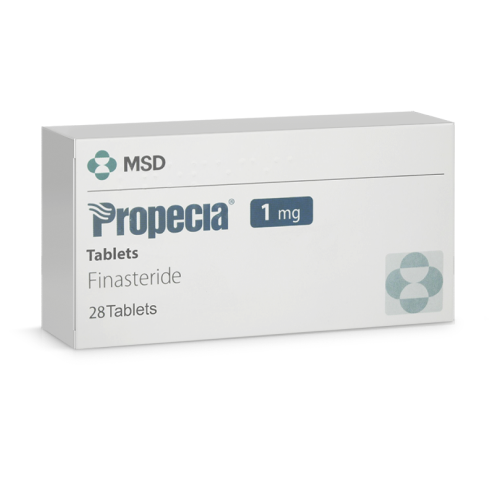
| Product Name | Propecia |
|---|---|
| Primary Compound | Finasteride |
| Main Use | Treatment of male pattern hair loss (androgenetic alopecia) |
| Strengths Available | 1 mg film-coated tablets |
| Prescribing Pattern | Once daily, continuous use |
| Initial Noticeable Results | Within 3–6 months of consistent use |
| Effect Sustainability | Benefits maintained with ongoing therapy; hair loss resumes if stopped |
| Requires Prescription in US? | Yes, prescription needed |
Propecia for Hair Loss: What You Need to Know in the United States
Propecia is a prescription medication used to address male pattern hair loss, containing the active ingredient finasteride. It is approved and regulated in the United States for men experiencing androgenetic alopecia, and can be legally obtained with a doctor’s prescription. Understanding how Propecia works and whether it fits your particular situation is essential before deciding to proceed with treatment.
Hair Loss: A Common, Manageable Concern
Hair loss, particularly male pattern baldness, is an experience shared by millions in the United States. According to the American Academy of Dermatology, by age 35, about two-thirds of American men will experience some degree of noticeable hair loss, and by age 50, that figure rises to approximately 85% (American Academy of Dermatology, 2023). Far from being an isolated issue, hair thinning and baldness are a routine part of life for many. While it can affect self-esteem and social comfort, effective options exist for those who wish to address it. Recognizing this reality is the first step in moving toward a solution that matches your goals and lifestyle.
How Propecia Targets Hair Loss: The Science and the Impact
Finasteride, the key element of Propecia, acts by blocking the action of an enzyme called 5-alpha-reductase. This enzyme converts testosterone into dihydrotestosterone (DHT)—a hormone shown to shrink hair follicles in men genetically predisposed to baldness. By reducing DHT levels in the scalp, Propecia helps prolong the growth phase of hair, slow down shedding, and in many cases, promote regrowth of thicker hair.
From a practical perspective, most men will not notice immediate changes. Clinical trials have shown that it typically takes at least three months of daily use to detect reduced hair loss, with visible regrowth possible in six months or more. If the medication is discontinued, DHT levels return to baseline and any hair preserved or regrown during treatment is gradually lost again. Successful treatment depends on consistent daily use and realistic expectations—Propecia is most effective at maintaining existing hair and modestly improving density, rather than completely reversing baldness.
Is Propecia Right for You? Life Situations and Choices
| Scenario | Recommended Approach | Clinical Rationale |
|---|---|---|
| You are a man aged 18–41 with early signs of thinning at the crown or mid-scalp | Consider Propecia 1 mg daily | Best results are observed when treatment begins early, as follicles are more responsive before complete loss |
| You have pronounced hair loss (advanced baldness or complete recession) | Propecia may offer minimal benefit | Finasteride is less effective when follicles are already inactive; surgical options may be more relevant |
| You are experiencing hair loss as a woman, or have other forms of alopecia (e.g., scarring alopecia) | Propecia is not indicated | Safety and efficacy for women—especially if pregnant or childbearing potential—are not established; risk of birth defects |
| You are prone to medication side effects or taking multiple drugs | Discuss with your doctor before starting | Finasteride interacts with some medications and may cause side effects in sensitive individuals |
| You want to combine Propecia with topical minoxidil | Combination may be considered | Some studies suggest enhanced results with dual therapy; safety is generally acceptable, but discuss with a physician |
These scenarios are not exhaustive, but highlight when Propecia is likely to be effective, less effective, or unsuitable. Your medical history and goals remain central—consultation with a healthcare provider ensures a choice that matches your unique context.
Practical Use: Integrating Propecia Into Daily Life
- Dosing Routine: Take one 1 mg tablet daily, at the same time each day, with or without food. Consistency is key for maintaining steady drug levels.
- Missed Dose: If you forget a dose, just resume with the next scheduled tablet. Do not double up; missing a single dose will not significantly impact results.
- Expected Course: Most users notice slowed hair loss after 3–6 months. Ongoing use is necessary to retain benefits. Stopping treatment leads to gradual return of hair loss within 12 months.
- When Results Plateau: If, after one year of use, there is no improvement or continued loss, discuss alternative approaches with your doctor.
- Daily Life Considerations: Propecia does not require any special diet or lifestyle changes. Normal grooming, exercise, and activities are unaffected.
- If You Experience Side Effects: Mild symptoms may resolve without intervention, but persistent or severe issues warrant medical review. Never stop or adjust the medication without medical advice.
Integrating Propecia into your daily routine is straightforward, but patience and regularity are essential. If results or tolerability fall short of your expectations, alternatives exist and can be discussed with your healthcare provider.
Who Should Not Use Propecia?
- Women and Children: Propecia is not intended for use in women or individuals under 18 due to lack of efficacy and possible risk to a developing male fetus if handled during pregnancy.
- Known Allergy to Finasteride: Do not use if you have previously experienced an allergic reaction to finasteride, as this may cause serious symptoms including rash, swelling, or difficulty breathing.
- Active Liver Disease: Propecia is processed in the liver; those with significant liver impairment should avoid use because drug clearance may be affected, increasing risk of side effects.
- Certain Prostate Conditions: Men with prostate cancer (especially those with high-grade tumors) or those undergoing prostate-specific antigen (PSA) monitoring should discuss finasteride with their urologist, since it can lower PSA levels and potentially mask cancer detection.
In any of these cases, alternative hair loss treatments or further diagnostic evaluation may be more appropriate. Always inform your healthcare provider about your full medical history before starting Propecia.
Possible Side Effects: What to Expect and When to Act
- Common (affecting up to 2–5% of users): Decreased libido, reduced semen volume, erectile changes. These typically resolve with continued use or after discontinuation.
- Occasional: Breast tenderness or enlargement, skin rash, testicular pain. Report these to your doctor to assess if continued use is appropriate.
- Rare but Serious: Signs of an allergic reaction (facial swelling, breathing difficulty, hives). If this occurs, seek emergency care immediately by calling 911 in the United States.
- Persistent Mood Changes: Some users report depression or anxiety. If you experience these symptoms, consult your healthcare provider promptly.
Most users experience no or only mild side effects that subside over time. If any symptom causes concern or interferes with daily life, medical evaluation is warranted to review your treatment plan.
Medication Interactions: What to Avoid With Propecia
Finasteride is not known to interact with most commonly used medications, including blood pressure drugs and statins. However, it may affect the results of laboratory tests for prostate-specific antigen (PSA), so inform your healthcare provider if you are being tested for prostate conditions. There are no major food or alcohol restrictions with Propecia, but excessive alcohol intake can exacerbate sexual side effects for some men. If you are taking medications for other chronic conditions, discuss them with your doctor to ensure safe use.
Propecia Versus Other Hair Loss Treatments: How Does It Measure Up?
| Treatment | Mechanism | Typical Results | Limitations |
|---|---|---|---|
| Propecia (Finasteride) | Blocks DHT production | Slows loss, may regrow hair in up to 65% of men (clinical trials, FDA dossier) | Not effective for all; not for women |
| Minoxidil (topical) | Stimulates hair follicles | Some regrowth, especially at crown; safe for women | Requires lifelong use; less effective for receding hairlines |
| Hair Transplant Surgery | Redistributes hair follicles | Permanent coverage in treated areas | Costly, invasive, not suitable for everyone |
| Natural Supplements | Varied, often unproven | Limited evidence for efficacy | No regulatory approval for hair loss claims |
Propecia stands out for men with early to moderate androgenetic alopecia seeking a non-invasive, long-term option with strong clinical backing. Topical minoxidil may be preferred for those reluctant to take oral medication or for women. Surgery is reserved for advanced cases or when medical therapy falls short. Honest discussion with a clinician ensures the most appropriate and effective choice for your specific pattern and expectations.
How Much Does Propecia Cost in the United States?
| Cost Item | Amount (USD) | What This Covers |
|---|---|---|
| Doctor or Telemedicine Consultation | $50–$150 | Required for prescription (in-person or online) |
| Prescription Fee (if separate) | $0–$25 | Some clinics or telehealth platforms add a charge |
| Propecia Brand (30 tablets, 1 mg) | $70–$100 | Monthly supply from a US pharmacy |
| Generic Finasteride (30 tablets, 1 mg) | $10–$40 | Monthly supply, cost varies by pharmacy and insurance |
| Standard Shipping (if ordered online) | $0–$15 | Many mail-order pharmacies deliver discreetly |
| Total Cost | $60–$290 for the first month, $10–$100/month ongoing | Range reflects generic versus brand, consultation inclusion, and delivery |
In the United States, Propecia is only available via prescription, as mandated by the FDA. If purchasing online, ensure the pharmacy is verified and requires a prescription—this is a legal requirement, though some unregulated sources may bypass it (with increased risk of counterfeit product). Insurance may cover generics in some cases, further reducing out-of-pocket expenses. Always verify the pharmacy’s credentials to ensure safety and authenticity.
Lingering Questions: Addressing Real-World Concerns
- What happens if I stop taking Propecia? Hair loss typically resumes within 6–12 months, returning to the pre-treatment baseline. Discontinuation does not lead to increased loss—just loss of benefits.
- Can I use Propecia and minoxidil together? Yes, many clinicians recommend combination therapy for enhanced results, as mechanisms are complementary.
- Is generic finasteride as reliable as Propecia? Yes, FDA-approved generics are held to the same efficacy and safety standards as the brand medication.
- How do I know if Propecia is working? Reduced shedding and visible thickening at the crown or mid-scalp after 6–12 months are good indicators. Progress may be subtle; photos can help track changes.
- Will I need to take Propecia forever? Benefits are maintained only with continued daily use. Stopping allows natural hair loss to progress.
- How is Propecia regulated in the US? The Food and Drug Administration (FDA) approved Propecia for male pattern hair loss in 1997 and continues to oversee its safety and quality. Only FDA-registered pharmacies are legally permitted to dispense it.
These practical concerns often arise for those considering or beginning Propecia. For any situation not addressed here, or if your experience differs from typical expectations, your healthcare provider remains the best source for tailored and up-to-date guidance.