


- Home/
- Buy Lasix in Online Pharmacy – Fast Delivery in United States
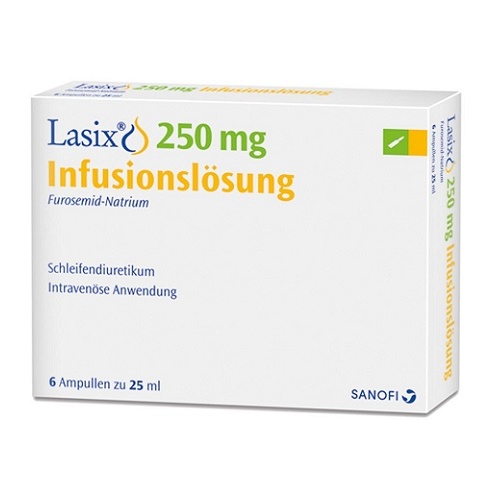
Can Lasix Be Purchased Without a Prescription in the United States?
Lasix (furosemide) is a prescription-only medication in the United States. It cannot be legally obtained without a valid prescription from a licensed healthcare provider. Over-the-counter sales of Lasix are not permitted under current FDA regulations.
Key Takeaways: What Every Patient Should Know About Lasix
- Lasix is most suitable for patients with edema due to heart failure, liver, or kidney disease, and sometimes for high blood pressure.
- The effects are usually noticeable within one hour for oral forms and within minutes for intravenous administration.
- Major safety consideration: Lasix can cause dehydration and significant electrolyte imbalances that may be life-threatening if not monitored.
- A valid prescription is required in the United States from a licensed medical provider.
- The primary benefit is rapid reduction of fluid overload, easing symptoms such as swelling or shortness of breath.
- Patients should contact a healthcare provider immediately if they experience muscle weakness, irregular heartbeat, extreme thirst, or confusion.
How Does Lasix Work? Understanding the Mechanism of Action and Clinical Pharmacology
Lasix contains furosemide, a potent loop diuretic. It works by inhibiting the sodium-potassium-chloride (Na⁺-K⁺-2Cl⁻) co-transporter in the thick ascending limb of the loop of Henle within the kidney. This leads to increased excretion of sodium, chloride, and water, along with potassium, calcium, and magnesium. The end result is a significant diuretic (urine-producing) effect, reducing fluid overload in tissues and the vascular system.
In practical terms, Lasix rapidly removes excess fluid from the body, making it especially effective for conditions like congestive heart failure, cirrhosis, and certain kidney disorders. The medication does not require the presence of specific triggers to be effective; its action is direct and primarily dependent on kidney function.
Metaphor: Imagine Lasix as a valve that opens in the kidney’s plumbing system, flushing out excess water and salts that would otherwise build up in the body.
Patient Expectations vs. Clinical Reality: A doctor’s Perspective on Lasix Therapy
In my experience, many patients expect Lasix to produce instant relief from swelling or breathing difficulties, but few realize that the underlying conditions, like heart or kidney disease, are rarely “cured” by diuretic therapy alone. Patients often judge effectiveness by the volume of urine produced, yet the real clinical goal is to strike a balance—reducing symptoms without causing dehydration or dangerous mineral losses. Rarely do patients ask about follow-up lab monitoring or the possibility of developing resistance to diuretics over time. It’s important to set realistic expectations: while Lasix can be highly effective, it requires ongoing monitoring and adjustment, and symptoms may recur if the root cause is not managed.
How Should Lasix Be Taken? Dosage, Administration, and Duration of Action
Lasix dosages vary significantly depending on the patient’s age, underlying disease, and kidney function:
- Adults (oral): Typical starting dose is 20–40 mg once daily. Dose may be increased, usually in increments of 20 mg, based on response and laboratory results. The maximum daily dose generally should not exceed 600 mg, though this is rare and reserved for resistant cases under specialist care (FDA).
- Children: Pediatric dosing is weight-based (typically 1–2 mg/kg per dose, not to exceed 6 mg/kg per day).
- Intravenous (IV): Used for rapid effect, especially in hospital. Effects are seen within 5 minutes, peaking at 30 minutes and lasting about 2 hours for IV use. Oral tablets act within an hour, peak in 1–2 hours, and last 6–8 hours.
Tablet splitting: Standard Lasix tablets can be split but always follow your pharmacist’s advice. Some generics have specific instructions—check the product leaflet or consult your provider.
Dosage must be carefully adjusted for older adults, people with mild kidney or liver impairment, or those with other chronic diseases. Never adjust your dose without medical supervision.
Does Food, Alcohol, or Lifestyle Affect Lasix’s Effectiveness?
Food: Oral Lasix can be taken with or without food. High-fat meals may delay absorption but do not significantly alter total effect (Mayo Clinic).
Alcohol: Combining Lasix with alcohol increases the risk of dehydration, low blood pressure, dizziness, and fainting. Strict moderation or complete avoidance is advised.
Grapefruit juice: There is no clinically significant interaction between Lasix and grapefruit juice.
Lifestyle: Because Lasix increases urine output, plan dosing times to avoid sleep interruption and ensure bathroom access. Strenuous exercise and hot weather can increase the risk of dehydration.
- Myth: Taking more Lasix will remove more fluid and relieve symptoms faster.
- Reality: Excessive dosing increases the risk of severe side effects and may require hospitalization.
Who Should Not Take Lasix? Absolute and Relative Contraindications
Absolute Contraindications:
- Allergy to furosemide or sulfonamide-derived drugs
- Anuria (complete absence of urine output)
- Severe hypokalemia (extremely low potassium levels)
- Severe hyponatremia (extremely low sodium levels)
- Hepatic coma or pre-coma
Relative Contraindications (Use with Caution):
- Kidney impairment or chronic kidney disease (Lasix can worsen kidney function in some cases)
- Severe liver disease (risk of hepatic encephalopathy)
- Gout (Lasix can increase uric acid)
- Low blood pressure or dehydration
- Pregnancy and breastfeeding (use only if benefits outweigh risks)
- History of electrolyte disturbances
- Concomitant use of nephrotoxic or ototoxic drugs
After events such as a heart attack: Lasix may be started only under close medical supervision, depending on the patient’s status.
What Side Effects Are Most Common With Lasix?
Very Common (>1/10):
- Increased urination
- Electrolyte imbalance (low potassium, sodium, magnesium)
- Dehydration (dry mouth, thirst, weakness)
Common (1/100 to 1/10):
- Low blood pressure (dizziness, fainting)
- Headache
- Elevated blood sugar (hyperglycemia)
- Increased uric acid (gout attacks)
Rare (1/10,000 to 1/1,000):
- Hearing loss (dose-related, can be permanent)
- Pancreatitis
- Severe allergic reactions (rash, anaphylaxis)
- Blood count changes (anemia, neutropenia)
Very Rare (<1/10,000):
- Severe skin reactions (Stevens-Johnson syndrome)
- Agranulocytosis (dangerous drop in white blood cells)
If you experience severe dizziness, fainting, confusion, irregular heartbeat, muscle cramps, or hearing loss, stop taking Lasix and seek immediate medical attention.
Pharmacokinetics Simplified: How Is Lasix Processed and Eliminated?
Absorption: Oral furosemide is absorbed in the intestine; bioavailability is about 60% but can vary.
Distribution: Binds extensively to plasma proteins. Onset of action: oral 30–60 minutes, IV 5 minutes.
Metabolism: Metabolized mainly in the kidney (not the liver), which is why kidney function affects its duration and effectiveness.
Elimination: Excreted primarily via the urine. Half-life is about 1–2 hours in healthy adults, but may be prolonged in kidney or liver impairment.
Cumulative effect: Generally, Lasix does not accumulate in the body with normal kidney function.
| Parameter | Value |
|---|---|
| Active Ingredient | Furosemide |
| Available Dosages | 20 mg, 40 mg, 80 mg tablets; solution for injection (10 mg/mL) |
| Onset (oral) | 30–60 minutes |
| Peak Effect (oral) | 1–2 hours |
| Duration of Action (oral) | 6–8 hours |
| Metabolism | Primarily kidney |
| Elimination | Renal (urine) |
| Half-life | 1–2 hours (longer in kidney/liver disease) |
| Prescription Status (US) | Prescription-only |
| Storage | Below 77°F (25°C), protect from moisture |
Which Medications and Products Are Compatible With Lasix?
| Product | Can it be combined? | Possible Consequences |
|---|---|---|
| ACE inhibitors (e.g., lisinopril) | With caution | May increase risk of low blood pressure and kidney impairment |
| NSAIDs (e.g., ibuprofen) | Avoid if possible | May reduce Lasix effect; risk of kidney injury |
| Digoxin | Monitor closely | Low potassium increases digoxin toxicity risk |
| Antibiotics (aminoglycosides) | Avoid | Risk of hearing loss (ototoxicity) |
| Warfarin | Monitor | Possible interaction; may alter warfarin effect |
| Potassium supplements | Often necessary | Prevents hypokalemia; only under doctor supervision |
| Alcohol | Avoid | Increased risk of dehydration and low blood pressure |
Common Patient Mistakes When Using Lasix and How to Avoid Them
- Not monitoring weight or urine output regularly. Regular tracking helps doctors adjust dosing and detect early signs of dehydration.
- Stopping Lasix abruptly without medical advice. This can cause rebound fluid retention and worsening symptoms.
- Taking Lasix late in the day. This often leads to frequent nighttime urination and disturbed sleep. Plan doses for the morning.
- Ignoring instructions about potassium and sodium intake. Some patients skip supplements or dietary advice, increasing their risk of dangerous imbalances.
- Missing follow-up lab appointments. Lab checks are essential to monitor kidney function and salt levels.
- Doubling up on missed doses. Taking a double dose to make up for a missed one can result in severe dehydration and electrolyte disturbances.
- Not reporting signs of hearing changes. Early reporting of ringing in the ears or hearing loss can prevent permanent damage.
How to avoid these mistakes: Set reminders for doses and appointments, keep a medication diary, and communicate openly with your healthcare team.
How Does Lasix Compare to Other Diuretics and Alternatives?
| Medication | Class | Onset (oral) | Duration | Key Risks | Estimated Price/Tablet (USD) |
|---|---|---|---|---|---|
| Lasix (furosemide) | Loop diuretic | 30–60 min | 6–8 h | Electrolyte loss, dehydration, hearing risk (high dose) | $0.15–$1.00 (generic) |
| Bumex (bumetanide) | Loop diuretic | 20–30 min | 4–6 h | Similar to furosemide, more potent mg:mg | $1.00–$5.00 |
| Hydrochlorothiazide | Thiazide diuretic | 2 h | 6–12 h | Less potent, risk of low potassium, may raise blood sugar | $0.10–$0.60 |
| Torsemide | Loop diuretic | 1 h | 12 h | Similar risks as furosemide, longer action | $0.50–$3.00 |
Bottom line: Lasix is usually the first-line choice for rapid relief of fluid overload but may be replaced by alternatives if effectiveness wanes or specific side effects occur. Price can vary widely based on insurance and pharmacy.
How Can I Find a Qualified Edema Specialist in the United States?
For management of edema, seek a board-certified cardiologist, nephrologist, or internal medicine physician. In major US cities like New York, Los Angeles, or Chicago, most large hospitals and medical centers (e.g., Mayo Clinic, Cleveland Clinic) host multidisciplinary teams experienced in edema care. Use American Board of Internal Medicine directories or your insurance provider’s network to locate credentialed experts. Telehealth platforms also offer access to specialists for consultations and prescription management.
Step-by-Step: How to Get Lasix in the United States
- Step 1 – Schedule a medical evaluation: Contact your primary care physician, cardiologist, nephrologist, or use a licensed telemedicine service.
- Step 2 – Clinical assessment: The provider will review your symptoms, medical history, conduct a physical exam, and may order blood and urine tests.
- Step 3 – Prescription: If Lasix is appropriate, your provider will send an electronic prescription to your chosen pharmacy (brick-and-mortar or verified online).
- Step 4 – Fulfillment: Present ID and insurance (if applicable) at the pharmacy. Pharmacists will provide counseling and answer questions.
- Step 5 – Ongoing monitoring: Regular follow-up appointments and lab tests are required to adjust dosing and check for side effects.
Tip: Many insurance plans in the United States cover generic furosemide, but copays and network restrictions vary.
How Can I Verify a Safe and Legitimate Online Pharmacy in the United States?
Safety first: Legitimate online pharmacies in the US are licensed by state boards of pharmacy and follow FDA regulations. Look for the VIPPS (Verified Internet Pharmacy Practice Sites) seal or check accreditation through the National Association of Boards of Pharmacy (NABP).
Warning signs of unsafe sellers:
- Offering Lasix without a prescription
- Prices far below market averages
- Poor website transparency (no address, no pharmacist available)
- Unfamiliar packaging or labeling
Consumer protection: US law prohibits importation of prescription drugs from foreign sources. Use only US-licensed pharmacies to avoid risks of counterfeit, contaminated, or substandard medication.
How to Spot Counterfeit Lasix: Security and Quality Check
Original packaging: In the United States, Lasix (by Sanofi or generic manufacturers) is sold in white tablets with clear imprinting (e.g., “Lasix 40” or manufacturer’s code). Packaging should list the FDA NDC (National Drug Code) and bear a tamper-evident seal.
- Blister packs: Uniform font, crisp printing, batch number and expiration date on each strip
- Bottle labels: Should match your pharmacy’s database, contain your name, pharmacy details, and prescription number
- QR codes/holograms: Some US generics may include QR codes for verification; check with your pharmacy for details
- Price “too good to be true”: Unusually low-cost offers are usually a red flag for counterfeiting or unsafe importation
Understanding generics: Generic furosemide contains the same active ingredient but may use different inactive ingredients (excipients). Allergies are rare but possible; always check the leaflet if you have sensitivities.
Generics vs original: Generics are FDA-approved and considered equivalent in efficacy and safety. They offer substantial cost savings, especially for long-term therapy.
Special Considerations for Specific Patient Groups
- Elderly: More susceptible to dehydration and falls; start at lower doses and increase cautiously.
- Chronic kidney disease: May require higher doses, but risk of kidney injury increases.
- Liver disease: Monitor for encephalopathy (confusion, drowsiness).
- Diabetics: Monitor blood sugar levels as Lasix can increase glucose.
- Pregnancy and breastfeeding: Use only if clearly needed; discuss risks and benefits with your provider.
- Driving/operating machinery: Lasix can cause dizziness and sudden drops in blood pressure; use caution until effects are known.
- Fertility: No significant impact on fertility reported, but animal studies are limited.
What Should I Do If I Take Too Much Lasix? Overdose Action Plan
- Stop taking Lasix immediately.
- Call emergency services (911) or go to the nearest emergency department.
- Inform the medical team of the amount taken and any symptoms (e.g., confusion, fainting, palpitations).
- Bring the medication packaging or prescription bottle if possible.
Overdose may cause severe dehydration, dangerously low blood pressure, kidney failure, and life-threatening electrolyte imbalances.
Quality Assurance: How Should Authentic Lasix Look in the United States?
- Color: White tablets, sometimes with a scored line
- Shape: Round or oval, depending on manufacturer
- Engraving: “Lasix” and strength or a generic code (e.g., “F40” for 40 mg generic)
- Blister/bottle: Clear, legible batch number and expiration date
- Packaging: No spelling errors, high print quality, original outer box with manufacturer and FDA NDC information
- US pharmacy label: Always attached when dispensed by a US pharmacy
If in doubt, consult your pharmacist or the manufacturer’s US hotline for verification.
Psychological Support: You Are Not Alone in Managing Edema
Edema and related symptoms are common and manageable conditions. Many people experience swelling or fluid retention at some point. If you feel overwhelmed or anxious, consider talking to a healthcare professional or counselor. Support groups and patient advocacy organizations can offer additional help.
Questions Patients Often Ask Their Doctor About Lasix Therapy
- How will I know if Lasix is working for me?
- Most patients see a reduction in swelling, weight, or shortness of breath within hours to days. I monitor progress through symptoms, weight logs, and laboratory tests to ensure effectiveness and safety.
- Do I need to change my diet while taking Lasix?
- Yes, I recommend following a low-salt diet and sometimes increasing potassium-rich foods, but always check before making changes, as individual needs vary. Some patients need potassium supplements.
- How often do I need blood tests?
- Initially, frequent checks are critical—usually within a week of starting or changing the dose, then at intervals based on your health status and stability.
- Is it safe to exercise or travel while on Lasix?
- Exercise and travel are generally safe, but you must account for increased urination and potential dehydration. Always carry water and plan restroom breaks, and avoid strenuous activity in hot weather without discussing with your doctor.
- What should I do if I miss a dose?
- If you miss a dose, take it as soon as you remember unless it’s close to your next scheduled dose. Never double up. Contact me if you have any concerns about skipped doses.
- How do you decide when to stop or adjust Lasix therapy?
- I base decisions on your response, side effects, lab results, and changes in your underlying condition. Discontinuation or adjustment always requires supervision.
- Will I need Lasix for life?
- Some conditions require long-term therapy, while others may resolve enough to stop Lasix. Regular reassessment is essential.
- Can Lasix be combined with other heart or blood pressure medications?
- Yes, but combinations must be monitored closely to prevent adverse reactions and ensure effectiveness.
Professional Clinical Assessment: When Is Lasix the Right Choice?
In my clinical judgment, Lasix is especially beneficial for patients with acute or chronic fluid overload due to heart failure, advanced kidney disease, or liver cirrhosis—particularly when rapid symptom relief is needed. It’s also appropriate for patients whose quality of life is significantly impaired by edema or who have failed to respond to milder diuretics. However, Lasix is not ideal for patients with chronic low blood pressure, advanced electrolyte disturbances, significant sulfa allergies, or those unable or unwilling to comply with regular monitoring. For individuals with only mild swelling or blood pressure issues, thiazide diuretics or non-pharmacological measures may be preferable. Key benefit-risk considerations include the potential for life-threatening dehydration and electrolyte loss, especially in elderly or frail patients, and in those with fluctuating kidney function. I reassess therapy regularly, and in cases of diminishing response or intolerable side effects, I consider alternative medications or combination regimens. Ultimately, the decision to use Lasix must be individualized and closely supervised.
FAQ: Common Questions About Lasix in the United States
- How long does Lasix take to start working?
- Oral Lasix usually begins to work within 30–60 minutes, with peak effect at 1–2 hours. Intravenous forms act within 5 minutes.
- Is Lasix safe to take long-term?
- Lasix can be used long-term under medical supervision but requires regular monitoring for side effects such as electrolyte disturbances, kidney function changes, and hearing problems.
- Do I need a prescription for Lasix?
- Yes. In the United States, Lasix is available only by prescription from a licensed healthcare provider.
- What conditions is Lasix approved to treat?
- FDA-approved uses include edema due to congestive heart failure, liver cirrhosis, renal disease, and sometimes hypertension when other medications are insufficient.
- Can Lasix be taken during pregnancy?
- Lasix should only be used during pregnancy if clearly needed and prescribed by a doctor, as it may affect fetal growth.
- What is the typical cost of Lasix?
- Generic furosemide tablets usually cost between $0.15 and $1.00 per tablet, depending on pharmacy and insurance coverage.
- Can Lasix cause hearing loss?
- Yes, especially at high doses or with rapid intravenous administration. Notify your doctor immediately if you notice hearing changes.
- Is it safe to take Lasix with blood pressure medications?
- Yes, but this combination requires careful monitoring to avoid excessively low blood pressure or kidney problems.
- What should I do if swelling does not improve with Lasix?
- Contact your healthcare provider for reassessment. Dose adjustment, alternative medications, or additional diagnostic workup may be needed.
- How do I store Lasix?
- Keep Lasix in its original packaging at room temperature (below 77°F/25°C), away from moisture and out of reach of children.
References
- FDA. Lasix (furosemide) Prescribing Information. U.S. Food and Drug Administration. Accessed June 2026. https://www.fda.gov
- Mayo Clinic. Furosemide (Oral Route) Description and Brand Names. Accessed June 2026. https://www.mayoclinic.org
- National Association of Boards of Pharmacy. VIPPS Accreditation Program. Accessed June 2026. https://nabp.pharmacy
- PubMed. Furosemide in the Management of Edema: Recent Evidence and Safety Considerations. Accessed June 2026. https://pubmed.ncbi.nlm.nih.gov
- ClinicalTrials.gov. Furosemide Studies and Safety Updates. Accessed June 2026. https://clinicaltrials.gov
- American Board of Internal Medicine. Find a Board Certified Doctor. Accessed June 2026. https://www.abim.org