


- Home/
- Buy Antabuse in Online Pharmacy – Fast US Delivery Available
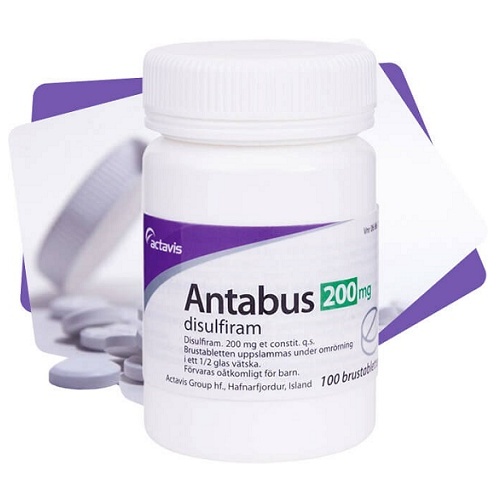
| Product Name | Antabuse |
|---|---|
| Main Compound | Disulfiram |
| Intended Use | Alcohol Dependence Treatment |
| Tablet Strengths | 250 mg, 500 mg |
| How Quickly It Acts | Effects begin within 1–2 hours after first dose |
| How Long It Lasts | Lasts up to 1–2 weeks after stopping |
| Administration Schedule | Typically once daily |
| Food Use | May be taken with or without food |
| Prescription Requirement | Prescription-only in United States |
Antabuse: Guiding Your Decision in the United States
Antabuse, whose active substance is disulfiram, is a medication designed for adults seeking support in overcoming alcohol dependence. It is available legally in the United States through prescription, providing a clinical tool for those committed to alcohol abstinence. Understanding how and when to use Antabuse can help you make an informed and confident next step in your recovery process.
Alcohol dependence: You are not alone, and help is available
Alcohol dependence is a chronic, relapsing condition that affects millions across the United States. According to the National Institute on Alcohol Abuse and Alcoholism (NIAAA), over 14 million adults in the U.S. experienced alcohol use disorder in 2022. These numbers show the problem is widespread and not a personal failing—it is a recognized medical condition. Importantly, sustained recovery is not only possible but increasingly common with access to the right support and evidence-based treatments.
How Antabuse helps: The science and the lived experience
Antabuse (disulfiram) works by fundamentally changing how your body processes alcohol. Normally, after drinking, alcohol is broken down by the liver into acetaldehyde, and then quickly further into harmless substances. Disulfiram blocks the enzyme (aldehyde dehydrogenase) needed for the second step, causing acetaldehyde to build up if alcohol is consumed. This accumulation creates highly unpleasant symptoms: facial flushing, nausea, vomiting, headache, chest pain, and anxiety, often within 10 to 30 minutes after drinking even small amounts.
For the person taking Antabuse, this mechanism means that drinking alcohol becomes physically aversive instead of rewarding. The practical result: a powerful psychological deterrent to relapse, as the anticipation of severe discomfort discourages drinking attempts. This effect is not about “curing” alcohol dependence, but about providing a daily, external barrier when motivation or willpower alone might be insufficient. The deterrent effect of disulfiram can remain for up to 1–2 weeks after the last dose, due to how long the enzyme inhibition persists. Clinical studies have shown that, when used as part of a comprehensive recovery plan, Antabuse increases rates of abstinence compared to placebo (see sources below).
Is Antabuse right for you? Choosing based on your life situation
| Situation | Recommendation | Reason |
|---|---|---|
| You are committed to abstaining from alcohol, want an added safeguard, and have support from family or a care team | Antabuse is likely a good choice | The medication provides a consistent deterrent and works best when you are motivated and have external support |
| You have liver disease, severe heart disease, or are pregnant | Antabuse should NOT be used | Health risks are increased due to potential for severe adverse reactions; alternative therapies are safer |
| You are likely to encounter alcohol or are unwilling to abstain fully | Antabuse is not recommended | Taking Antabuse with ongoing alcohol use can cause dangerous reactions; medications like naltrexone may be more appropriate |
| You struggle to remember daily medications or lack supervision | Antabuse may not be optimal | Missed doses reduce protection; long-acting injectable options or supervised dosing could be considered |
| You are taking multiple other medications | Caution and medical review required | Potential for drug interactions; doctor consultation is necessary before starting |
These scenarios are common in real life. If you find yourself unsure where you fit, discussing your specific situation with a healthcare professional is crucial—especially if you have underlying health conditions or take other medicines regularly.
How Antabuse fits into daily life: Practical guidance and real-world issues
- Taking Antabuse: Usually one tablet (250–500 mg) is taken once a day, preferably in the morning. Consistency is critical; missing doses can reduce the deterrent effect.
- If you miss a dose: Take the missed dose as soon as you remember if it’s the same day. If it’s nearly time for your next dose, skip the missed one—do not double doses.
- Alcohol must be avoided completely: Even small amounts (mouthwash, cooking sauces, cough syrups) can trigger a reaction. Always check labels and avoid hidden sources of alcohol.
- Monitoring: Some people benefit from supervised dosing by a family member or clinic staff for added accountability.
- If the medication doesn’t seem to work: The observable effect only happens if alcohol is consumed. If craving persists, discuss with your doctor—additional counseling or medication may be warranted.
- Stopping Antabuse: The deterrent effect can last up to two weeks after the last dose. Alcohol should still be avoided during this period.
- Normal effects: Most experience no symptoms when abstaining from alcohol; feeling unwell after drinking is a sign the medication is working as intended.
- When to contact a doctor: If you have persistent nausea, fatigue, yellowing of the skin, or mental confusion, these may indicate liver issues and should be reported promptly.
Antabuse is most effective as part of a wider recovery strategy, ideally including counseling, peer support, and regular medical follow-up. It is not a standalone cure, but a practical tool for achieving and maintaining abstinence.
Contraindications: Who should not use Antabuse and why
- Severe liver disease: Disulfiram is processed by the liver, and impaired liver function increases the risk of toxicity.
- Coronary artery disease or heart failure: Alcohol-disulfiram reactions can cause stress on the heart, leading to dangerous complications.
- Psychosis or severe mental illness: Antabuse can worsen psychiatric symptoms or interact unpredictably with psychiatric medications.
- Pregnancy and breastfeeding: Use is not recommended due to potential harm to the fetus or infant.
- Hypersensitivity to disulfiram or thiuram derivatives: Allergic reactions can occur.
It is essential to disclose all health conditions and medications to your doctor before starting Antabuse. The U.S. Food and Drug Administration (FDA) regulates Antabuse and requires a prescription to ensure safety. If you are uncertain whether you have a condition that would make Antabuse unsafe, medical evaluation is necessary before starting.
Side effects: What to expect, what is rare, and when to get help
- Common and usually mild: Drowsiness, metallic or garlic-like aftertaste, headache, and mild skin rash. These often resolve as your body adjusts.
- Occasional: Acne, mild gastrointestinal discomfort, or tiredness. These typically do not require treatment unless persistent.
- Rare but serious: Severe liver inflammation (hepatitis), jaundice, severe allergic reactions, mental confusion, or eye pain. If you notice yellow skin/eyes, unexplained confusion, or swelling of the face/tongue, stop Antabuse and seek medical attention without delay.
- If you suspect a severe reaction or overdose: Symptoms may include confusion, vomiting, or difficulty breathing. In these cases, call the Poison Help line at 1-800-222-1222 or 911 for emergency assistance in the United States.
Most people taking Antabuse experience only mild and temporary effects, especially if they strictly avoid alcohol. Serious complications are rare but can occur, particularly if the medication is used in the presence of existing liver or heart problems, or if alcohol is consumed while on the medication.
Drug interactions: How Antabuse fits with your other medications
Disulfiram can interact with other medicines in ways that increase risk or reduce efficacy. Notable interactions include:
- Metronidazole or similar antibiotics: Can trigger confusion or psychosis when combined with Antabuse.
- Phenytoin: Antabuse can increase phenytoin blood levels, risking toxicity.
- Blood thinners (warfarin): Disulfiram may increase the effect, requiring closer monitoring of blood clotting times.
- Other medications processed by the liver: The risk of drug buildup and side effects may be higher.
Always provide your full medication list to your doctor or pharmacist before starting Antabuse. If you are already taking medications for mental health or seizure conditions, a specialist review is especially important.
How Antabuse compares: Alternatives and honest limitations
| Medication | How it works | Best for | Limitations |
|---|---|---|---|
| Antabuse (disulfiram) | Makes drinking physically unpleasant by blocking alcohol breakdown | Highly motivated individuals seeking a deterrent, with support | Unsafe with ongoing alcohol use; requires commitment to abstinence; not suitable with certain medical conditions |
| Naltrexone | Reduces the rewarding effects of alcohol in the brain | People aiming to reduce drinking or prevent relapse | Does not cause an unpleasant reaction if alcohol is consumed; not suitable if liver disease is present |
| Acamprosate | Restores chemical balance in the brain to reduce craving | Those who have already stopped drinking and need help maintaining abstinence | Must be taken three times daily; not effective until abstinence has begun |
| Long-acting injectable naltrexone | Monthly shot to block alcohol’s effects | People who have trouble with daily pills | Requires clinic visits; higher cost; may cause injection site reactions |
Antabuse is uniquely effective for individuals who want a strong external deterrent and can commit to absolute abstinence. However, if you anticipate situations where you may be tempted to drink or cannot avoid alcohol exposure, a different approach may be safer and better suited. There is no one-size-fits-all—combination approaches (medication plus counseling) often provide the best outcomes.
What you will actually pay: Cost breakdown for Antabuse treatment in the United States
| Cost Item | Amount (USD) | Notes |
|---|---|---|
| Doctor consultation (in-person or telemedicine) | $100–$250 | Initial assessment; may be partially covered by insurance |
| Prescription fee (if separate) | $10–$30 | Some telehealth platforms charge this separately |
| Antabuse (30 tablets, 250 mg) | $25–$60 | Generic pricing; varies by pharmacy |
| Pharmacy delivery (optional) | $5–$20 | Standard shipping; express delivery may cost more |
| Total | $140–$360 | From telemedicine + prescription + 1 month’s supply + delivery |
Antabuse is available as a generic in the U.S., so medication costs are moderate. If you have insurance, out-of-pocket expenses may be lower. Most U.S. pharmacies require a prescription, but some online services can deliver after a brief telemedicine consultation. Always verify that the provider is licensed and that the medication is FDA-approved. Illegal sources carry risks of counterfeit products and lack of clinical oversight.
What if I still have questions or my situation is unique?
Even after reading about Antabuse, you might wonder how it fits with your personal health story. Factors such as past treatment attempts, co-existing medical conditions, and support systems make every recovery journey individual. If you are uncertain about any aspect—be it safety, cost, or efficacy—bring your full list of concerns to your healthcare provider. A qualified addiction specialist or primary care doctor can assess your risks, discuss alternatives, and tailor a plan that fits your life, not just your diagnosis.
For support beyond medication, hotlines such as the SAMHSA National Helpline (1-800-662-HELP) offer confidential assistance, including treatment referrals and counseling resources nationwide.