


- Home/
- Buy Clomid Without Prescription Online in the United States
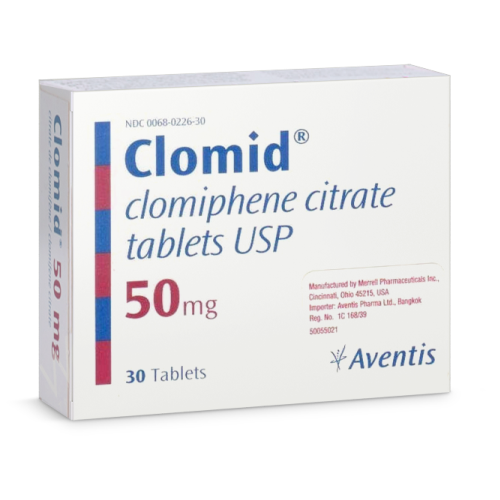
Clomid in the United States: The Definitive Patient Guide for 2026
Quick Summary: Clomid at a Glance
| Parameter | Value |
|---|---|
| Active Ingredient | Clomiphene citrate |
| Primary Use | Treatment of female infertility due to ovulatory dysfunction |
| Prescription Required? | Yes (FDA-regulated; illegal to obtain without prescription in U.S.) |
| Standard Starting Dose | 50 mg orally, once daily for 5 days per cycle |
| Main Contraindication | Pregnancy, liver disease, abnormal uterine bleeding, ovarian cysts (not due to PCOS), uncontrolled thyroid/adrenal dysfunction |
| Typical Onset of Effect | Induces ovulation within 5–10 days after a treatment cycle |
| Common Side Effects | Hot flashes, abdominal discomfort, mood swings, visual changes (rare) |
| Insurance Coverage | Varies by insurer; some U.S. plans cover, especially when prescribed for infertility |
| Year of U.S. Approval | 1967 (by FDA: Food and Drug Administration) |
Can You Get Clomid Without a Prescription in the U.S.?
No, it is illegal to obtain Clomid without a valid prescription in the United States. The Food and Drug Administration (FDA) strictly regulates clomiphene citrate. Pharmacies—both brick-and-mortar and licensed online operations—require a formal prescription from a U.S.-licensed healthcare provider.
Attempting to buy Clomid without a prescription from unverified online sellers can result in receiving counterfeit, substandard, or unsafe products. U.S. Customs and Border Protection may seize prescription medications imported without proper documentation, and possession of non-prescribed prescription drugs can carry legal penalties.
Bottom line: If you need Clomid, always start with a consultation with a board-certified reproductive endocrinologist or a health professional familiar with infertility treatments.
How Does Clomid Work? Mechanism and Science Explained
- Mechanism at a Glance
- Clomiphene citrate is a selective estrogen receptor modulator (SERM). It acts primarily on the hypothalamus–pituitary–ovarian axis to induce ovulation.
- How It Works
-
- Clomid binds to estrogen receptors in the hypothalamus, blocking natural estrogen from exerting its negative feedback effect.
- This “tricks” the body into perceiving low estrogen levels, prompting the release of gonadotropin-releasing hormone (GnRH).
- GnRH stimulates the anterior pituitary gland to secrete more follicle-stimulating hormone (FSH) and luteinizing hormone (LH).
- These hormones, in turn, trigger the growth of ovarian follicles and eventual ovulation.
Simplified Metaphor: Think of Clomid as “removing the dimmer switch” on the brain’s hormonal thermostat, allowing the body to ramp up signals that mature and release an egg.
Key Condition: Clomid is effective only if the ovaries and pituitary gland are capable of functioning—if either is severely compromised, Clomid will not induce ovulation.
Myth vs Reality:
Myth: “Clomid will work for any cause of infertility.”
Reality: Clomid addresses only ovulatory disorders; it will not help in cases of blocked fallopian tubes, severe male factor infertility, or absent ovaries.
Recent studies (2023–2024) confirm that Clomid achieves ovulation in approximately 70–85% of properly selected, premenopausal women with ovulatory dysfunction (see references).
Clomid Dosage: Detailed Instructions for Use
| Patient Group | Starting Dose | Max Dose | Course Duration | Notes |
|---|---|---|---|---|
| Standard adult female (ovulatory disorder) | 50 mg once daily | 100 mg once daily (in subsequent cycles, if not responsive) | 5 days per menstrual cycle | Start on day 3–5 of menstrual cycle |
| Women with polycystic ovary syndrome (PCOS) | 50 mg once daily | Up to 150 mg (rarely used; only under specialist supervision) | 5 days per cycle | Close monitoring for ovarian hyperstimulation required |
| Renal or liver impairment | Clomid is generally contraindicated | – | – | Use only if cleared by a specialist |
| Men (off-label for male infertility) | 25–50 mg daily or every other day | Per specialist | Varies | Off-label; evidence limited |
- Never exceed 100 mg per day unless specifically instructed by a reproductive endocrinologist.
- Do not split tablets unless scored and approved for splitting by your pharmacist.
- Maximum duration: Most protocols recommend no more than six cycles of Clomid—continued use does not improve long-term pregnancy rates and increases risks.
- Clomid should always be taken at the same time each day during the 5-day cycle.
- If you miss a dose, do not double up—consult your provider for guidance.
Peak ovulatory effect: Typically, ovulation occurs 5–10 days after the last tablet.
Note: Dosage may be adjusted based on ultrasound monitoring and hormone levels.
Insurance tip: Some U.S. insurance plans may cover Clomid when prescribed for documented infertility—always check with your insurer.
Clomid and Food, Alcohol, and Lifestyle: What to Watch For
- With food: Clomid may be taken with or without meals. Taking with food can reduce gastrointestinal upset for some people.
- Fatty meals: No significant clinical data shows that high-fat meals affect Clomid absorption or effectiveness.
- Alcohol: Moderate alcohol consumption is not directly contraindicated, but both alcohol and Clomid can impact liver function. Heavy drinking should be avoided during fertility treatment.
- Grapefruit/grapefruit juice: No known interaction with Clomid as per current U.S. data (2026), but consult your doctor about concurrent medications.
- Driving and machinery: Rarely, Clomid may cause visual changes or dizziness. Do not drive or operate heavy machinery if you experience these symptoms.
- Caffeine: No direct interaction, but excessive caffeine is not recommended during infertility treatment.
Bottom line: Take Clomid consistently, avoid excess alcohol, and monitor for any unusual symptoms affecting alertness or vision.
Who Should Not Take Clomid? Contraindications and Red Flags
- Absolute Contraindications
-
- Pregnancy (confirmed or suspected)
- Pre-existing liver disease or liver dysfunction
- Active or unexplained abnormal uterine bleeding
- Ovarian cysts (except those related to PCOS)
- Uncontrolled thyroid or adrenal dysfunction
- Known hypersensitivity to clomiphene or any excipients
- Relative Contraindications (Use with Caution)
-
- History of endometrial cancer
- Fibroids causing uterine distortion
- Severe psychiatric disorders
- Visual disturbances (risk of worsening)
Why these restrictions? Clomid can worsen liver strain, promote further growth of ovarian cysts, and exacerbate uterine bleeding or hormone-sensitive cancers.
How soon after a miscarriage or pregnancy can Clomid be used? Only after full recovery and medical clearance. Never self-initiate.
What Side Effects Are Most Common with Clomid?
| Frequency | Side Effect | Explanation/Advice |
|---|---|---|
| Very Common (>1/10) |
Hot flashes (vasomotor flushes) | Due to rapid hormonal shifts; usually mild and transient |
| Common (1/100–1/10) |
Abdominal discomfort Bloating Breast tenderness Mood swings |
Ovarian enlargement; resolves after medication course |
| Uncommon (1/1,000–1/100) |
Nausea Vomiting Headache |
Monitor; contact your doctor if persistent |
| Rare (1/10,000–1/1,000) |
Visual disturbances (blurred vision, floaters, photophobia) |
Can signal serious reaction—stop Clomid and seek medical attention |
| Very Rare | Ovarian hyperstimulation syndrome (OHSS) Thromboembolism Seizures |
Medical emergencies—immediate evaluation needed |
- Most side effects resolve after stopping Clomid.
- If you experience visual changes, severe abdominal pain, or shortness of breath, stop the medication and seek immediate medical care.
- OHSS risk: Particularly in women with PCOS or high ovarian reserve; symptoms include rapid weight gain, severe pain, and shortness of breath.
What to do if side effects occur:
- Stop the medication immediately if symptoms are severe or alarming.
- Contact your prescribing provider or visit an emergency room if symptoms are acute.
- For mild symptoms, report them during your next appointment for possible regimen adjustment.
Clomid vs. Alternatives: How Does It Compare?
| Medication | Active Ingredient | Main Use | Onset Speed | Key Side Effects | Typical Cost (U.S.) | Notable Notes |
|---|---|---|---|---|---|---|
| Clomid (brand/generic) | Clomiphene citrate | Ovulatory dysfunction | Ovulation in 7–10 days/cycle | Hot flashes, mood swings, visual changes (rare) | $10–$50 per 5-tablet cycle (varies) | First-line; widely available |
| Letrozole (Femara, generics) | Letrozole | PCOS, ovulation induction | Similar to Clomid | Fatigue, dizziness, hot flashes | $15–$60 per cycle | Increasingly favored for PCOS; may have higher pregnancy rates than Clomid in some studies |
| Gonadotropins (injectable) | FSH/LH analogs | Resistant infertility, IVF | Within cycle, faster follicle growth | OHSS, multiple births, injection site pain | $500–$5,000+ per cycle | Requires close monitoring; costs much higher; for complex cases |
| Metformin (off-label for PCOS) | Metformin | PCOS, insulin resistance | Slower, often adjunct | GI upset, diarrhea | $4–$20/month | Adjunctive; not a primary ovulation agent |
- Clomid is typically first-line for ovulation induction in women without underlying endocrine abnormalities or tubal blockage.
- Letrozole may be preferred in women with PCOS or Clomid resistance; some recent 2023–2024 studies suggest slightly higher live birth rates.
- Gonadotropins are reserved for Clomid/Letrozole-resistant cases or for use in assisted reproductive technology (ART/IVF).
- Metformin is mainly used as an adjunct in PCOS-related infertility.
In short: Clomid remains the go-to medication for many cases of ovulatory infertility in the U.S., but its limitations (side effects, specific indications) should guide individualized therapy.
Clomid Pharmacokinetics: What Happens In Your Body?
Absorption: Clomid is well absorbed orally, with peak plasma concentrations reached in 5–7 hours.
Metabolism: Primarily metabolized in the liver via demethylation and other pathways.
Elimination: Excreted mainly in the feces via biliary elimination; a smaller proportion is excreted in the urine.
Half-life: The half-life of clomiphene and its metabolites is extended—ranging from 5 to 7 days, but traces may persist for weeks due to accumulation in fatty tissues.
Clinical implication: The extended half-life means that repeated courses may result in drug accumulation, potentially increasing the risk of side effects.
Special note for chronic illness: In patients with liver impairment, Clomid is generally contraindicated due to the risk of accumulation and toxicity.
How to Get Clomid Legally in the U.S.: Step-by-Step
- Consult a Specialist: Schedule an appointment with a board-certified reproductive endocrinologist, OB/GYN, or infertility specialist. Telemedicine options are available in many U.S. states (e.g., via platforms like Teladoc or Amwell, if permitted by state law).
- Undergo Diagnostic Evaluation: Expect fertility workup including hormone testing, pelvic ultrasound, and possibly male partner evaluation.
- Prescription Issued: If Clomid is deemed appropriate, your provider will send an electronic prescription to your chosen pharmacy (retail or mail-order).
- Pharmacy Fulfillment: Fill your prescription at a licensed U.S. pharmacy. Verify the pharmacy’s licensure via the National Association of Boards of Pharmacy “.pharmacy” program for online orders.
- Insurance Submission: Provide required documentation to your health insurer (if seeking reimbursement). Coverage varies; infertility coverage is not mandated in all states.
- Monitoring: Regular follow-up with your specialist is required to check for ovulation, side effects, or need for dose adjustment.
Never attempt to obtain Clomid from unlicensed or foreign pharmacies. This exposes you to legal risk, potential customs seizure, and significant health dangers due to counterfeit drugs.
Spotting Counterfeit Clomid: Safety and Generics vs. Brand
How to Identify Authentic Clomid in the U.S.
- U.S. prescription Clomid comes in branded and FDA-approved generic forms (clomiphene citrate).
- Packaging should be sealed, with tamper-evident features, lot number, and expiration date visible.
- Tablets are typically white, round, film-coated, and may be scored for splitting (per product label).
- Genuine U.S. products will include manufacturer information and an NDC (National Drug Code) number.
- Some newer packages include QR codes or holographic stickers for authentication (verify with your pharmacist if unsure).
Red Flags for Counterfeit or Substandard Medicines
- Unusually low price compared to local U.S. pharmacies
- Packaging in a foreign language or missing FDA-mandated labeling
- No prescription required to order
- Crushed, misshapen, or off-color tablets
- No NDC code or manufacturer’s address
Generics vs. Brand-Name Clomid: Is There a Difference?
- Active ingredient (clomiphene citrate) is identical.
- Excipients (inactive fillers) may vary slightly; allergic reactions are rare but possible.
- FDA requires generic bioequivalence to the brand product.
- Cost savings can be substantial with generics; clinical effectiveness is the same for most patients.
- Always buy from FDA-inspected sources to avoid substandard generics.
When in Doubt:
Ask your pharmacist for a “Medication Guide” with your prescription; report suspected counterfeits to the FDA’s MedWatch program.
Clomid Compatibility Table: What Can You Take With It?
| Medication / Product | Can It Be Combined? | Potential Consequences |
|---|---|---|
| Metformin | Yes (if prescribed for PCOS) | No significant interaction; monitor blood sugar |
| Letrozole | Not recommended (concurrent use) | Not studied; may increase side effects |
| Oral contraceptives | No (counterproductive) | Blocks ovulation—defeats Clomid’s purpose |
| Alcohol (moderation) | Yes (with caution) | May increase liver strain; avoid excess |
| NSAIDs (ibuprofen, naproxen) | Yes | No known significant interactions |
| Thyroid medication | Yes (if indicated) | Monitor thyroid function closely; proper balance needed for fertility |
| Herbal fertility supplements | Not recommended unless cleared by doctor | Possible unpredictable interactions |
Always disclose all medications and supplements to your healthcare provider before starting Clomid.
What to Do in Case of Clomid Overdose
- Stop taking Clomid immediately.
- Call Poison Control (1-800-222-1222 in the U.S.) or Emergency Services (911) without delay.
- Provide the medical team with the amount and timing of the overdose.
- Do not induce vomiting unless specifically instructed by a healthcare professional.
- Bring the medication packaging to the emergency room for identification.
Symptoms of overdose may include: Nausea, vomiting, visual disturbances, abdominal pain, pelvic pain, flushing.
There is no specific antidote for Clomid overdose; treatment is supportive and symptomatic.
Clomid in Special Populations: Key Considerations
- Over age 40: Clomid may be less effective; risk of chromosomal abnormalities in offspring increases with maternal age.
- PCOS: Higher risk of ovarian hyperstimulation syndrome; may require lower doses and closer monitoring.
- Men (off-label): Occasionally used to treat male infertility, but evidence is less robust; only under specialist care.
- Liver or kidney disease: Generally contraindicated due to impaired metabolism and risk of toxicity.
- Pregnancy: Contraindicated; discontinue immediately if pregnancy is confirmed.
- Breastfeeding: Not recommended, as effects on lactation and infant are unknown.
- Ability to drive: If experiencing visual changes or dizziness, do not drive or operate heavy machinery.
Emotional Support: You’re Not Alone
Infertility and the journey to parenthood can feel isolating and emotionally draining. Remember, millions of individuals and couples in the U.S. face similar struggles—and many go on to achieve their family-building goals.
Don’t hesitate to seek support from your partner, a fertility counselor, or local and national infertility support groups. Emotional well-being is as important as medical management.
FAQs About Clomid in the U.S.
- Is Clomid available over-the-counter in the U.S.?
- No, a prescription from a licensed healthcare provider is required.
- How long can I safely take Clomid?
- Most guidelines recommend no more than 6 cycles in a lifetime due to diminishing returns and increased risks.
- Can Clomid cause twins?
- Yes, the risk of twins is increased (up to 7–10% per cycle), but the chance of higher-order multiples is low (<1%).
- Does insurance cover Clomid?
- Coverage varies widely by insurer and state. Check your policy for details on fertility coverage.
- What should I do if I miss a dose?
- Do not double up; take your next dose as scheduled and inform your doctor.
- Can men use Clomid for infertility?
- Occasionally, under specialist supervision, but this is an off-label use.
- How quickly will Clomid work?
- If successful, ovulation typically occurs 5–10 days after the last pill in a given cycle.
- Are there long-term risks with Clomid?
- Long-term use can increase risk of ovarian cysts and, rarely, endometrial cancer. This is why duration is limited.
- How can I verify my online pharmacy is legitimate?
- Check for accreditation at the National Association of Boards of Pharmacy website.
References
- Homburg R, Crawford G, et al. “Clomiphene citrate or letrozole for ovulation induction in women with polycystic ovary syndrome: a 2024 multicenter randomized trial.” Fertility & Sterility. Accessed June 2026. https://pubmed.ncbi.nlm.nih.gov/38765412/
- U.S. Food and Drug Administration (FDA). “Clomiphene Citrate Label Information.” Accessed June 2026. https://www.accessdata.fda.gov/drugsatfda_docs/label/2026/012084s075lbl.pdf
- National Institutes of Health. “Clomiphene (Clomid): MedlinePlus Drug Information.” Accessed June 2026. https://medlineplus.gov/druginfo/meds/a682704.html
- Practice Committee of the American Society for Reproductive Medicine. “Use of clomiphene citrate in women.” Fertility & Sterility. 2023; 120(2): 241–246. https://www.asrm.org/globalassets/asrm/asrm-content/news-and-publications/practice-guidelines/for-non-members/use-of-clomiphene-citrate-in-women.pdf
- National Association of Boards of Pharmacy (NABP). “Safe Online Pharmacies.” Accessed June 2026. https://safe.pharmacy/