


- Home/
- Buy Ventolin Inhaler Online in the United States
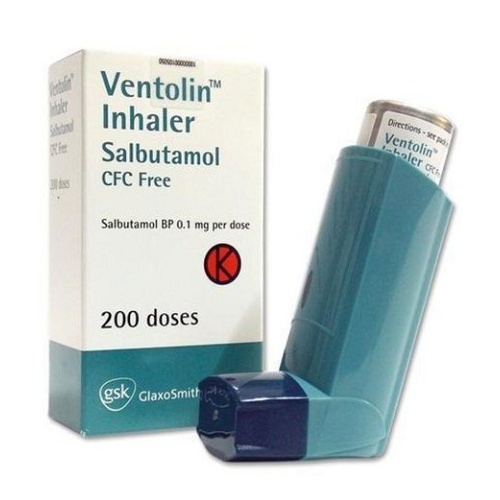
Ventolin Inhaler in the United States: A Comprehensive Guide (2026 Update)
Quick Facts: Ventolin Inhaler
| Active Ingredient | Salbutamol sulfate (commonly known as albuterol in the US) |
|---|---|
| Primary Use | Rapid relief of bronchospasm in asthma and COPD |
| Onset of Action | Within 5 minutes (typically 1–5 minutes) |
| Duration | Approximately 4–6 hours |
| Prescription Status (US) | Prescription only (Rx required) |
| Who Regulates? | U.S. Food and Drug Administration (FDA) |
| Most Common Side Effect | Tremor (hand shaking), increased heart rate |
Is Ventolin Inhaler Available Without Prescription?
No, Ventolin Inhaler is not available legally without a prescription in the United States. Federal and state regulations require a licensed healthcare provider’s prescription. Attempting to purchase Ventolin Inhaler from non-regulated sources (websites without a prescription process) is illegal and exposes you to the risk of counterfeit or unsafe products.
Bottom line: Always obtain Ventolin Inhaler through a legitimate, FDA-regulated pharmacy with a valid prescription from a US-licensed provider.
Mechanism of Action: How Does Ventolin Inhaler Work?
Ventolin Inhaler’s active ingredient, salbutamol (albuterol), is a selective beta2-adrenergic receptor agonist. It binds to beta2 receptors primarily located in bronchial smooth muscle. This interaction activates adenylate cyclase, increasing intracellular cyclic AMP (cAMP). Elevated cAMP levels cause relaxation of bronchial smooth muscle, resulting in rapid opening of the airways (bronchodilation).
In simple terms: Think of your airways as tubes that can squeeze tight when you’re having an asthma attack. Ventolin Inhaler acts like a fast-acting key that unlocks those tubes, helping you breathe more easily within minutes.
This mechanism is independent of food, exercise, or time of day, but effectiveness may be influenced by the severity of airway inflammation and baseline bronchoconstriction.
Myth vs Reality: Myth: “Ventolin works instantly for everyone, every time.” Reality: While most people feel relief within 5 minutes, some may experience a slower onset, especially if airways are severely inflamed.
Dosage and Administration Instructions
| Situation | Typical Dose | Maximum Dose |
|---|---|---|
| Acute asthma symptom relief | 1–2 inhalations every 4–6 hours as needed | 12 inhalations per 24 hours (adults) |
| Pre-exercise prevention of bronchospasm | 2 inhalations 15–30 minutes prior to activity | Same as above |
| Children (age 4–11) | 1–2 inhalations every 4–6 hours as needed | Do not exceed 8 inhalations daily |
- Always shake the inhaler before use and exhale fully before inhaling the dose.
- Wait at least 1 minute between puffs if a second dose is needed.
- Do not exceed recommended maximum daily doses—overuse increases the risk of serious side effects (see below).
- If you find you need your inhaler more than twice per week for symptom control, consult your physician. This may signal poorly controlled asthma.
Note: For elderly patients or those with liver/kidney impairment, standard dosing usually applies, but close monitoring is recommended. If you have questions about dose adjustments, speak to your prescriber.
Food, Alcohol, and Lifestyle Interactions
- Food
- There is no significant interaction between Ventolin Inhaler and food. Taking it with or without meals does not impact absorption or effect.
- Alcohol
- Caution is advised. While moderate alcohol intake is not strictly contraindicated, excessive consumption can increase the risk of heart rhythm disturbances (especially in those with underlying heart disease). If you have heart conditions, discuss alcohol use with your doctor.
- Grapefruit Juice
- No direct interactions have been documented; however, excessive grapefruit consumption can alter the metabolism of several drugs. No studies show a significant effect with salbutamol.
- Caffeine
- Caffeine may slightly increase the likelihood of tremors or heart palpitations when combined with Ventolin Inhaler. If you are sensitive to stimulants, consider reducing caffeine intake.
- Smoking
- Smoking worsens asthma and may blunt the effectiveness of all asthma medications, including Ventolin Inhaler.
Bottom line: Ventolin Inhaler is generally unaffected by food, but moderation with stimulant substances (alcohol, caffeine) is wise for sensitive individuals.
Contraindications and Warnings
Absolute Contraindications
- Known allergy or hypersensitivity to salbutamol/albuterol or any component of the inhaler
- History of severe hypersensitivity reactions (anaphylaxis) to beta-agonists
Relative Contraindications (Use with Caution)
- Cardiovascular disease (arrhythmias, coronary artery disease, heart failure)
- Uncontrolled hypertension (high blood pressure)
- Hyperthyroidism (overactive thyroid)
- Diabetes mellitus (can cause increased blood sugar—monitor closely)
- Seizure disorders (may lower seizure threshold at high doses)
Drug Interactions of Note
- Beta-blockers (e.g., metoprolol, propranolol): May blunt Ventolin’s effectiveness or trigger bronchospasm.
- MAO inhibitors and tricyclic antidepressants: Can enhance cardiovascular side effects.
- Other sympathomimetic agents: Increases risk of overstimulation or arrhythmias.
- Diuretics (non-potassium sparing): May increase risk of low potassium (hypokalemia).
What it can do: Rapidly relieve acute asthma symptoms.
What it cannot do: Prevent the underlying inflammation driving asthma—this requires controller medications prescribed by your provider.
Side Effects: What to Watch For
| Frequency | Side Effect | Mechanism / Notes |
|---|---|---|
| Very Common (>1/10) | Tremor, nervousness | Beta2 stimulation in muscles |
| Common (1/100 to 1/10) | Increased heart rate (tachycardia), palpitations, headache | Cardiac beta1 and beta2 stimulation |
| Uncommon (1/1000 to 1/100) | Muscle cramps, dry mouth, throat irritation | Systemic beta2 effect, local irritation |
| Rare (<1/1000) | Paradoxical bronchospasm, allergic reactions, chest pain | May require immediate medical attention |
| Very Rare (<1/10,000) | Serious arrhythmias, low potassium (hypokalemia) | Especially with overdose or interaction with other drugs |
- If you experience chest pain, severe shortness of breath not relieved by Ventolin, or signs of allergic reaction (swelling, rash, difficulty breathing), seek emergency care.
- Hand tremor and mild nervousness are not dangerous but can be bothersome; consult your provider if persistent.
- Frequent use (more than prescribed) increases the risk of heart rhythm problems and low potassium.
What to do if side effects occur: Stop the medication and contact your healthcare provider. For severe symptoms, call 911 immediately.
Comparison with Alternatives
| Product | Active Ingredient | Onset | Duration | Prescription Status | Notable Differences |
|---|---|---|---|---|---|
| Ventolin Inhaler | Salbutamol/albuterol | 1–5 min | 4–6 hours | Rx only | Most widely prescribed short-acting beta2 agonist (SABA) in the US |
| ProAir HFA | Albuterol sulfate | 1–5 min | 4–6 hours | Rx only | Similar efficacy, different propellant, widely used |
| Xopenex HFA | Levalbuterol | 5–10 min | 4–6 hours | Rx only | May cause fewer side effects in some but higher cost |
| Primatene Mist | Racepinephrine | Within minutes | 2–4 hours | OTC | Not recommended by asthma guidelines; more cardiac side effects |
- Ventolin/ProAir: Both are first-line short-acting inhalers, similar in action and safety, covered by most insurance plans.
- Xopenex: Sometimes preferred in those with intolerable side effects to albuterol, but significantly more expensive.
- Primatene Mist: Available over the counter, but not recommended as first-line due to less selective action and greater risk of heart-related side effects.
Bottom line: In the US, Ventolin, ProAir, and Xopenex are all prescription-only, and regular use of any rescue inhaler should always be overseen by a healthcare professional.
Pharmacokinetics and Metabolism
Absorption: When administered via inhalation, about 10–20% of the dose reaches the lungs, with the remainder swallowed and absorbed from the gastrointestinal tract.
Distribution: Salbutamol is rapidly distributed, with peak plasma concentrations reached within 2–3 hours after inhalation.
Metabolism: Primarily metabolized in the liver to inactive sulfate conjugates.
Elimination: Excreted mostly by the kidneys as metabolites and unchanged drug.
Half-life (T1/2): Approximately 3–6 hours.
- Those with severe kidney or liver impairment should inform their provider; dose adjustment is rarely needed but close monitoring is advised.
- No evidence shows that Ventolin Inhaler impairs driving or machinery operation when used as directed.
Special Populations and Corner Cases
- Children
- Safe and effective in children 4 years and older, with pediatric dosing adjustments. For children under 4, use only under specialist supervision.
- Pregnancy
- Category C (FDA): Studies in animals have shown risk, but controlled human studies are lacking. Use only if benefits outweigh risks—discuss with your OB/GYN.
- Breastfeeding
- Salbutamol is excreted in small amounts in breast milk, but adverse effects in infants are unlikely. Consult your provider.
- Elderly
- No specific dose adjustment needed, but increased susceptibility to cardiac side effects.
- Driving/Machinery
- No impairment expected at therapeutic doses; rare cases of dizziness have been reported.
- Fertility
- No evidence of impaired fertility with standard inhaled doses.
Original vs Generic Ventolin Inhalers
With the original Ventolin Inhaler (manufactured by GlaxoSmithKline) now off-patent in the US, several FDA-approved generics are available (e.g., albuterol sulfate inhalers by Teva, Perrigo). Generics must demonstrate bioequivalence—meaning they deliver the same amount of active ingredient to the lungs as the original.
- Inactive ingredients (excipients, propellants, flavor): May differ between brands and generics. Rarely, allergic reactions can occur to these—check the package insert for details.
- Effectiveness: Multiple studies confirm generics are equally effective in symptom control.
- Price: Generics are usually significantly less expensive and are routinely substituted by pharmacists unless your prescriber indicates otherwise.
- Appearance: Packaging, color, or design may differ but the FDA requires all generics to meet strict therapeutic standards.
Myth vs Reality: Myth: Generics are weaker or less reliable. Reality: FDA-approved generics are held to the same quality, safety, and effectiveness standards as the original.
Obtaining Ventolin Inhaler in the United States: Step-by-Step
- Consultation: Schedule an in-person or telehealth appointment with a licensed healthcare provider (MD, DO, NP, or PA).
- Diagnosis and Assessment: Provider assesses your symptoms, medical history, and, if needed, conducts spirometry or peak flow testing.
- Prescription: If asthma, exercise-induced bronchospasm, or COPD is diagnosed, your provider will issue an electronic or paper prescription for Ventolin Inhaler (or a generic equivalent).
- Pharmacy Fulfillment: Take your prescription to any US-licensed pharmacy or use a verified online/mail-order pharmacy. Many insurance plans—including Medicaid and Medicare—cover albuterol inhalers with a minimal copay.
- Product Verification: Ensure your inhaler is in sealed, tamper-evident packaging with FDA-compliant labeling (see next section for authenticity checks).
- Education: Ask the pharmacist for an inhaler demonstration, especially if this is your first time using one.
Note: US law prohibits the importation of prescription inhalers from foreign pharmacies for personal use. Stick to FDA-registered US sources.
Identifying Counterfeit Ventolin Inhalers
- Original packaging will always include the manufacturer’s name, the FDA National Drug Code (NDC), lot number, and expiration date.
- Check for tamper-evident seals. The canister should fit securely, and the actuator (mouthpiece) should be free of cracks or loose parts.
- Labels should be printed clearly, without spelling errors or faded ink.
- Some US manufacturers now include a QR code or unique hologram for authenticity verification—scan with your smartphone if available.
- If the price is drastically below average (e.g., less than $15 per inhaler without insurance), be skeptical—this may indicate a counterfeit or substandard product.
- Generics will look different from the original but must still have FDA-compliant packaging and labeling.
Counterfeit risk: Using unregulated sources increases the risk of receiving an ineffective or dangerous product. Only purchase from licensed US pharmacies.
Compatibility Check Table: Ventolin Inhaler and Other Medications
| Medication/Product | Can it be combined? | Consequences/Risks |
|---|---|---|
| Aspirin | Yes | No significant interaction |
| Beta-blockers (e.g., propranolol) | NO | May antagonize Ventolin effect, trigger bronchospasm |
| MAO inhibitors (antidepressants) | With caution | Higher risk of heart effects |
| Diuretics | With caution | Low potassium risk |
| Alcohol | Moderation | Excess increases heart side effects |
| Other inhalers (SABA) | NO | Overdose risk, excessive stimulation |
| Controller inhalers (steroids) | Yes | Standard asthma management |
Overdose: What to Do
- Stop using Ventolin Inhaler immediately.
- Call 911 or proceed to the nearest emergency department—especially if you experience chest pain, severe palpitations, confusion, or tremors.
- Inform medical staff about the number of inhalations taken, approximate timing, and any other medications used.
- Bring the inhaler canister or packaging to the hospital for reference.
- Do not attempt to induce vomiting or self-treat serious symptoms at home.
Key signs of overdose: severe chest pain, fast or irregular heartbeat, muscle weakness, confusion, or fainting.
Psychological and Emotional Support
Living with asthma or COPD is common and manageable. Many people feel anxious about their breathing or dependent on inhalers. If you find yourself worried, know that support is available—talk openly with your provider or consider connecting with asthma support groups in your area or online. Discussing your experience can make symptom management less stressful.
Frequently Asked Questions (FAQ)
- Can I get Ventolin Inhaler over the counter in the United States?
- No, you need a prescription from a licensed US healthcare provider. OTC inhalers available in the US are not recommended for asthma control and may be less safe.
- How fast does Ventolin Inhaler work?
- Relief typically begins within 1–5 minutes after inhalation.
- Is it safe to use Ventolin Inhaler every day?
- It’s designed for as-needed use. Daily reliance may mean your asthma is not well controlled. Consult your provider if you need it more than twice a week.
- Will my insurance cover Ventolin Inhaler?
- Most US insurance plans, including Medicaid and Medicare, cover generic albuterol inhalers with a small copay. Coverage varies; check with your plan.
- Are generic albuterol inhalers as effective as Ventolin?
- Yes. FDA-approved generics are considered equally effective and are a cost-saving alternative.
- What should I do if I miss a dose?
- Ventolin Inhaler is used as needed for symptoms, not on a fixed schedule. Use only when required.
- Can I use Ventolin Inhaler with other asthma medications (like steroids)?
- Yes, it’s commonly used with controller inhalers. Always follow your provider’s instructions.
- How do I know if my inhaler is authentic?
- Check for FDA labeling, lot numbers, and tamper-evident packaging. Purchase only from licensed US pharmacies.
References
-
U.S. Food and Drug Administration (FDA): “Ventolin HFA (albuterol sulfate) Inhalation Aerosol, Prescribing Information,” Accessed June 2026.
FDA Official Label -
National Asthma Education and Prevention Program (NAEPP): 2023 Expert Panel Report 4 — Guidelines for the Diagnosis and Management of Asthma. Accessed June 2026.
NHLBI Asthma Guidelines -
Global Initiative for Asthma (GINA), “2026 Global Strategy for Asthma Management and Prevention,” Accessed June 2026.
GINA 2026 Report -
Cochrane Database Syst Rev. 2024; “Short-acting beta-agonists for asthma.” Accessed June 2026.
Cochrane Review -
PubMed Clinical Trials: “Comparative efficacy and safety of generic versus branded albuterol inhalers in asthma,” J Allergy Clin Immunol, 2024.
PubMed Study -
American Academy of Allergy, Asthma & Immunology (AAAAI). “Asthma Medications: Quick Relief (Rescue) Inhalers.” Accessed June 2026.
AAAAI – Quick Relief Inhalers