


- Home/
- Buy Zithromax in Online Pharmacy Across the United States
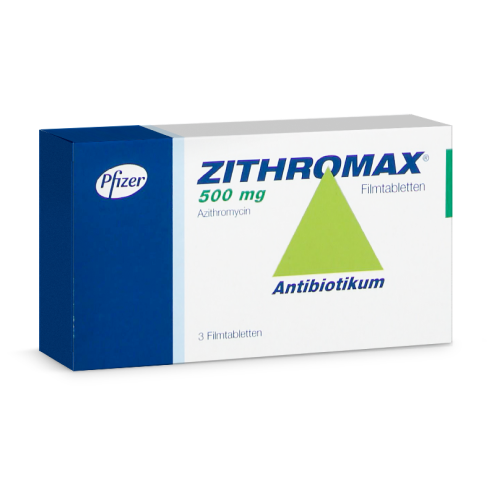
Can Zithromax (Azithromycin) Be Purchased Without a Prescription in the United States?
No, Zithromax (azithromycin) is a prescription-only antibiotic in the United States. It is illegal and unsafe to obtain this medication without a valid prescription from a licensed healthcare provider. Self-medicating with antibiotics can lead to serious health risks and antibiotic resistance.
Key Takeaways: What Patients in the United States Need to Know About Zithromax
- Zithromax is most suitable for bacterial infections such as respiratory tract, skin, and some sexually transmitted infections.
- Results are typically noticeable within 2–3 days of starting therapy, but the full course must be completed even if symptoms improve.
- A valid prescription from a licensed US healthcare provider is required to obtain Zithromax.
- The primary safety concern is the risk of serious allergic reactions and heart rhythm disturbances in susceptible individuals.
- Zithromax offers the benefit of once-daily dosing and shorter treatment courses compared to many other antibiotics.
- Always consult your doctor if you suspect an infection, and never use leftover or unprescribed antibiotics.
How Does Zithromax (Azithromycin) Work in the Body?
Zithromax contains the active ingredient azithromycin, which belongs to the macrolide class of antibiotics. Azithromycin works by binding to the 50S ribosomal subunit of susceptible bacteria, inhibiting protein synthesis. This action blocks the growth and replication of many Gram-positive and some Gram-negative bacteria, leading to their eventual death.
On a biochemical level, azithromycin interferes with the translocation steps of protein synthesis, essentially preventing bacteria from building the proteins they need to survive and proliferate [FDA].
Metaphorically, imagine azithromycin as a lock on the assembly line inside the bacterial factory – it stops the machinery, so the bacteria can’t build structures vital for their survival.
Zithromax is active on its own and does not require any specific triggers or conditions to be effective, as long as the infection is caused by susceptible bacteria.
Expert Perspective: Misjudging Antibiotic Effectiveness and Duration
As a physician, I frequently see patients expect antibiotics like Zithromax to produce immediate results, often within hours of the first dose. While some symptoms may improve quickly, antibiotics require time to reach effective concentrations at the infection site and for your immune system to help clear the infection. Patients sometimes stop the medication early once they start to feel better, not realizing that incomplete treatment can cause relapse or antibiotic resistance. It’s important for patients to ask not only about side effects, but also about how and when to assess if the treatment is working, and when to seek reevaluation if symptoms persist or worsen. Open communication truly improves outcomes.
What Is the Recommended Dosage and How Should You Take Zithromax?
The dosage regimen for Zithromax varies by infection type, patient age, and overall health. Always follow your doctor’s instructions and the pharmacy label.
- Community-acquired pneumonia or respiratory/skin infections (adults): 500 mg once on day 1, followed by 250 mg once daily on days 2–5.
- Uncomplicated genital chlamydia (adults): A single 1,000 mg dose.
- Children: Dose is weight-based, typically 10 mg/kg on day 1, then 5 mg/kg on days 2–5. Pediatric formulations (oral suspension) are available.
Maximum daily dose should not exceed 500 mg in adults unless otherwise directed by a physician. Extended or higher dosing regimens may be used in severe or atypical cases, but only under close supervision.
Tablets should be swallowed whole with water and not split, unless scored and directed by your pharmacist.
Older adults and those with mild kidney or liver impairment: Generally, no dose adjustment is needed, but caution is advised in severe hepatic impairment. Always inform your doctor of all health conditions.
Zithromax reaches peak concentrations within 2–3 hours of oral administration and has a long half-life, allowing for once-daily dosing.
How Does Food, Alcohol, and Lifestyle Affect Zithromax Absorption and Effectiveness?
- Food: Zithromax can be taken with or without food. Taking it with food may reduce stomach upset, but fatty meals can slightly decrease absorption.
- Alcohol: Moderate alcohol consumption is not strictly contraindicated, but it’s best to avoid alcohol during antibiotic therapy to reduce additional liver strain and prevent masking of side effects such as dizziness or gastrointestinal upset.
- Grapefruit juice: No significant interaction is documented between azithromycin and grapefruit juice, unlike some other medications.
- Supplements and antacids: Antacids containing aluminum or magnesium can reduce absorption if taken at the same time. Separate doses by at least 2 hours.
Which Conditions or Medications Make Zithromax Unsafe? (Absolute and Relative Contraindications)
- Absolute Contraindications (Never Use):
-
- Known allergy to azithromycin, erythromycin, or other macrolide antibiotics.
- History of severe liver dysfunction related to azithromycin.
- History of cholestatic jaundice or hepatic impairment related to prior azithromycin use.
- Relative Contraindications (Use with Caution):
-
- Existing heart rhythm disturbances (e.g., QT prolongation, torsades de pointes, ventricular arrhythmias). Zithromax can increase the risk of cardiac events in these patients.
- Use of other medications that prolong the QT interval (e.g., amiodarone, sotalol, certain antipsychotics).
- Severe renal or hepatic impairment (non-azithromycin-induced). Dose adjustment or alternative therapy may be preferred.
- Myasthenia gravis: May worsen symptoms.
- After a cardiac event:
- In patients with recent heart attack or severe heart failure, azithromycin should only be used with strict medical supervision due to potential cardiac risks.
What Side Effects Are Most Common With Zithromax?
-
Very Common (>1/10):
– Gastrointestinal upset (nausea, diarrhea, abdominal pain) -
Common (1/100–1/10):
– Headache
– Dizziness
– Rash
– Flatulence -
Uncommon (1/1,000–1/100):
– Photosensitivity
– Taste disturbance
– Mild elevation in liver enzymes -
Rare (<1/1,000):
– Severe allergic reactions (anaphylaxis, angioedema)
– Liver injury, hepatitis
– Heart rhythm disturbances (QT prolongation, arrhythmias)
– Stevens-Johnson syndrome (skin reaction)
Why do these occur? Gastrointestinal side effects are due to the effect of azithromycin on intestinal flora and motility. Cardiac events are due to changes in electrical conduction in heart tissue, especially in susceptible individuals.
What to do if side effects occur? For mild nausea or diarrhea, continue treatment and stay hydrated. For severe allergic reactions (swelling, difficulty breathing), stop taking the medication and seek emergency medical help immediately. If you experience an irregular heartbeat or severe rash, call your doctor or 911 at once.
Common Pitfalls When Using Zithromax for Infections: What Patients Should Avoid
- Stopping the course early: Many patients discontinue Zithromax when symptoms improve, risking relapse and antibiotic resistance. Always complete the prescribed course.
- Taking with antacids or supplements simultaneously: Some antacids and supplements reduce absorption. Separate doses by at least 2 hours.
- Not informing your doctor about all medications: Overlooking other prescriptions, especially heart rhythm medications, may increase risk of dangerous interactions.
- Using leftover antibiotics: Taking previously prescribed or someone else’s Zithromax can lead to improper dosing and treatment failure.
- Incorrect timing: Inconsistent dosing times can cause fluctuating blood levels and decreased effectiveness.
- Ignoring allergy symptoms: Dismissing mild rashes or itching can be dangerous if symptoms worsen. Report immediately to your physician.
How Does Zithromax Compare to Other Antibiotics for Common Infections?
| Medication | Onset Speed | Duration of Course | Side Effect Profile | Typical Cost (USD) | Notable Advantages | Notable Disadvantages |
|---|---|---|---|---|---|---|
| Zithromax (Azithromycin) | 24–48 hours | 3–5 days | Generally mild GI upset; rare QT prolongation | $25–$50 (5-tablet pack) | Short course, once-daily dosing | Not suitable for all bacteria; cardiac risk in some |
| Amoxicillin | 24–48 hours | 7–10 days | GI upset, rash, allergy more common | $10–$20 (10-day supply) | Broad spectrum; widely available | More frequent dosing; not effective for atypical bacteria |
| Doxycycline | 24–48 hours | 7–14 days | GI upset, photosensitivity | $15–$30 (7–14 day supply) | Effective for tick-borne and atypical bacteria | Must avoid dairy, sun exposure |
Prices are estimates for generic versions as of 2026 and may vary by pharmacy and location in the United States. Always check with your pharmacist for current pricing and insurance coverage.
Structured Reference Table: Zithromax Product Details
| Active Ingredient | Azithromycin |
| Available Strengths | 250 mg, 500 mg tablets; 100 mg/5 mL and 200 mg/5 mL oral suspension |
| Administration Route | Oral (tablet or suspension); Intravenous (hospital setting only) |
| Typical Course Duration | 3–5 days (most indications) |
| Storage Requirements | Store at 68–77°F (20–25°C); keep suspension refrigerated after reconstitution |
| Manufacturer | Pfizer (original brand); multiple generic manufacturers |
| Prescription Status (US) | Prescription only |
Compatibility of Zithromax With Other Medications and Products
| Product Type | Can It Be Combined? | Consequences |
|---|---|---|
| Amoxicillin | Yes (if prescribed) | No significant direct interaction |
| Warfarin | With caution | Possible increased bleeding risk; monitor INR |
| Antacids (Al/Mg) | No, not simultaneously | Reduces absorption of Zithromax; separate by 2 hours |
| Oral contraceptives | Yes | No significant interaction, but report diarrhea/vomiting |
| QT-prolonging drugs (e.g., sotalol) | STRICTLY NO (unless directed by cardiologist) | Increased risk of dangerous arrhythmias |
| Alcohol | Preferably avoid | May worsen GI symptoms; masks side effects |
| Grapefruit juice | Yes | No proven interaction |
What Is the Pharmacokinetics Profile of Zithromax?
- Absorption: Readily absorbed after oral administration; peak levels in 2–3 hours.
- Distribution: Extensively distributed into tissues, with concentrations higher in infected tissues than in plasma.
- Metabolism: Minimal hepatic metabolism; primarily excreted unchanged.
- Elimination: Excreted mostly in bile (feces); only a small percentage is excreted in urine.
- Half-life (T1/2): Approximately 68 hours, allowing for once-daily dosing and short treatment courses [PubMed].
Patients with severe liver impairment should not use Zithromax unless specifically directed by a specialist.
Are There Special Considerations for Certain Patient Groups?
- Elderly patients: No routine dose adjustment required, but greater vigilance for cardiac side effects is advised.
- Children: Pediatric dosing is weight-based. Use the oral suspension formulation for accuracy.
- Pregnancy and breastfeeding: Zithromax appears safe in pregnancy (Category B), but should be used only if clearly needed. It is excreted in breast milk; consult your physician before use.
- Renal impairment: Mild to moderate impairment does not require adjustment; avoid in severe cases unless directed by an infectious disease specialist.
- Driving and machinery: Zithromax does not typically impair alertness or ability to drive, but dizziness or drowsiness can occur in rare cases.
- Fertility: No meaningful effects on fertility have been observed in clinical studies.
Original Zithromax vs Generics: What’s the Difference, and Are Generics Safe?
Once the patent for Zithromax expired, generic azithromycin became widely available from reputable manufacturers. Generics must meet FDA requirements for bioequivalence, meaning they deliver the same amount of active drug in the body as the original brand.
Excipients (inactive ingredients) in generics may differ, potentially causing rare allergic reactions in sensitive individuals. Ask your pharmacist about any known allergies to fillers or dyes.
- Advantages of generics: Lower cost, wider accessibility, same clinical effectiveness.
- Potential concerns: Rare variations in taste, pill appearance, or tolerability due to differing excipients.
Always ensure you receive a generic approved by the FDA or an equivalent regulatory body.
Quality Assurance: How Does Genuine Zithromax Look?
- Tablet color: Typically pink, oval-shaped, film-coated tablets with “Pfizer” and dosage strength engraved on one or both sides.
- Oral suspension: Supplied as a dry powder in a bottle; pharmacist reconstitutes before dispensing. Always check the expiration date.
- Packaging: Comes in a cardboard box with a lot number, expiration date, and FDA-approved labeling.
- Anti-counterfeit elements: Original Pfizer Zithromax includes distinct font, clear embossing, and sometimes hologram or QR verification panels. Check with your pharmacist for the latest features.
- Generic brands: Appearance may vary; always verify the manufacturer and FDA approval status.
US Guide: How to Recognize Legitimate Online Pharmacies & Avoid Unsafe Sellers
- Check for state licensure: Legitimate US online pharmacies are licensed by the state Board of Pharmacy. Use NABP’s accreditation resources to verify status.
- Look for VIPPS/NABP accreditation: Accredited pharmacies display the VIPPS or NABP “Digital Pharmacy” seal. Clicking the seal should link to the NABP certificate.
- Require a valid prescription: Legitimate pharmacies always ask for a prescription and never offer to issue one without a proper medical evaluation.
- Beware of “too good to be true” pricing: Extremely low prices or claims of “no prescription needed” are red flags for counterfeit or unauthorized products.
- Protect your data: Licensed pharmacies have secure payment and data policies; unregulated sites may expose you to fraud or personal risk.
- Always check the pharmacy’s contact information and verify it with state authorities.
How to Spot Counterfeit Zithromax and Protect Yourself
- Packaging differences: Blurry printing, missing lot or expiration numbers, spelling or grammar errors, or lack of English FDA labeling.
- Tablet differences: Unusual color, shape, or missing engravings compared to genuine products.
- Price is suspiciously low: Counterfeit or “grey market” imports may be offered at a significant discount.
- Source is unverifiable or pharmacy is not recognized by state or NABP: Avoid such sellers.
- Generics: FDA-approved generics are safe and undergo strict quality checks. Non-approved generics from overseas online sellers should be avoided.
If in doubt, contact your pharmacist or the manufacturer through official channels for verification.
What Should I Do if I Take Too Much Zithromax? (Overdose Response)
- Stop taking the medication immediately.
- Call your doctor, local poison control center (1-800-222-1222), or 911 if you have severe symptoms (e.g., fainting, irregular heartbeat, difficulty breathing).
- Inform the healthcare professional of the exact dose and timing.
- Do not attempt to induce vomiting unless instructed by a medical professional.
- Bring the medication packaging with you if you go to the emergency room.
Step-by-Step: How to Obtain Zithromax Safely and Legally in the United States
- Schedule a consultation with a licensed healthcare provider (in person or through a telemedicine service if appropriate).
- Receive a medical assessment to diagnose your condition and determine if Zithromax is indicated.
- If prescribed, your doctor will send the prescription to your chosen pharmacy (local or accredited online pharmacy).
- Pick up your medication in person or arrange for secure delivery through a legitimate US pharmacy.
- Consult your pharmacist about the correct way to take Zithromax and possible side effects.
Myth vs Reality: Common Misconceptions About Zithromax
- Myth: Zithromax works instantly for all infections.
Reality: It targets only susceptible bacteria and needs several doses to reach full effect. - Myth: You can use leftover Zithromax for future infections.
Reality: Using antibiotics without appropriate diagnosis can be harmful and may not treat the actual problem. - Myth: If you feel better, you can stop taking the antibiotic.
Reality: Stopping early increases the risk of recurrence and antibiotic resistance.
Psychological Support: Feeling Unwell Is Normal – You’re Not Alone
Many people feel anxious or frustrated when prescribed antibiotics, especially if they’ve been ill for several days. Remember, infections are common and manageable, and seeking medical help is the best way to recover safely. If you’re concerned about your health or the need for antibiotics, discuss your feelings openly with your doctor or a trusted partner.
Questions Patients Most Often Ask doctor About Zithromax
- How will I know if Zithromax is actually working for my infection?
- In most cases, you should notice improvement in your symptoms — less fever, reduced pain, or easier breathing — within 2–3 days of starting Zithromax. If you don’t notice any improvement by day 3 or symptoms worsen, contact your doctor for reassessment.
- If I have mild diarrhea while taking Zithromax, should I stop the medication?
- Mild diarrhea is very common with antibiotics and usually not a reason to stop. However, if diarrhea is severe, bloody, or accompanied by abdominal cramps and fever, you should contact your doctor, as this could signal a more serious reaction.
- Can I take Zithromax if I’m already taking medication for my heart?
- Certain heart medications, especially those that affect your heart rhythm, may interact with Zithromax. Always provide your doctor with a complete medication list, and seek advice before starting or stopping any medicines.
- What if I don’t finish my full course of Zithromax?
- It’s crucial to finish your prescribed course to fully eliminate the infection and reduce the risk of bacterial resistance. If you accidentally miss a dose, take it as soon as you remember, but don’t double up.
- Why do I need to avoid antacids when taking Zithromax?
- Antacids containing aluminum or magnesium can bind to azithromycin and reduce its absorption, making it less effective. If you need antacids, separate them from your Zithromax dose by at least two hours.
- Will taking Zithromax affect my birth control?
- Zithromax does not decrease the effectiveness of hormonal contraceptives, but severe vomiting or diarrhea can reduce absorption of the pill. In such cases, consider additional contraception until the course is finished.
- Should I get routine blood tests while taking Zithromax?
- For most people on a standard short course, routine monitoring isn’t needed. If you have liver or kidney problems or are on multiple medications, your doctor may recommend extra monitoring.
What Should I Do If Zithromax Does Not Work for My Infection?
If you complete the entire prescribed course and symptoms persist or worsen, contact your doctor for further evaluation. You may require a different antibiotic, further diagnostic testing (such as cultures), or referral to a specialist. Never start another antibiotic without consulting a healthcare professional, as improper use can worsen your condition and contribute to resistance.
Clinical Assessment by doctor: When Is Zithromax the Right Choice?
In my clinical practice, Zithromax is often the preferred option for patients with uncomplicated respiratory tract infections, certain skin infections, and specific sexually transmitted infections such as chlamydia. Its convenient once-daily dosing and short treatment duration make it especially suitable for patients who may struggle with longer or more frequent regimens. However, I avoid prescribing it in patients with significant cardiac risk factors or a history of arrhythmias, unless no alternatives are available and the benefits outweigh the risks. For infections known to be caused by resistant organisms, or where cultures indicate insensitivity to azithromycin, I choose different antibiotics. Careful consideration of the patient’s comorbidities, medication profile, and risk of adverse reactions always guides my prescribing decisions. If a patient fails to improve within the expected time frame or develops complications, prompt reassessment and possible therapy adjustment are essential.
Frequently Asked Questions About Zithromax in the United States
- Is Zithromax effective for viral infections like the common cold or flu?
- No, Zithromax (azithromycin) is only effective against bacterial infections. It does not work for viral illnesses such as colds or influenza.
- How long does a typical Zithromax course last?
- Most adult and pediatric courses last 3–5 days, with once-daily dosing. Always follow your doctor’s instructions for the exact duration.
- Can I get Zithromax delivered to my home?
- Yes, many legitimate US pharmacies offer home delivery, but you must provide a valid prescription before the medication will be dispensed.
- How much does Zithromax cost in the United States?
- Generic azithromycin typically costs between $25 and $50 for a standard 5-day course. Prices vary by pharmacy, insurance coverage, and location.
- Do I need to avoid any foods while taking Zithromax?
- No specific foods need to be avoided, but taking Zithromax with food can help reduce stomach upset. Avoid taking antacids containing magnesium or aluminum within 2 hours of your dose.
- Can Zithromax be taken during pregnancy?
- Yes, but only if clearly needed and prescribed by your physician. Zithromax is generally considered safe in pregnancy (FDA Category B).
- Are there alternatives if I am allergic to Zithromax?
- Yes, your doctor may prescribe other antibiotics such as doxycycline or amoxicillin, depending on your infection and allergy profile.
- What happens if I miss a dose?
- Take the missed dose as soon as you remember. If it’s almost time for your next dose, skip the missed one — never double up.
- Is Zithromax covered by insurance or Medicare?
- Most health insurance plans and Medicare Part D cover generic azithromycin. Check with your plan or pharmacy for confirmation.
- How can I tell if a pharmacy is legitimate?
- Verify state licensure through your state’s Board of Pharmacy, look for NABP accreditation, and ensure a prescription is required for purchase.
References
- FDA. Zithromax (azithromycin) Prescribing Information. Accessed 2026. https://www.fda.gov/
- Centers for Disease Control and Prevention (CDC). Azithromycin: Clinical Use and Resistance. Accessed 2026. https://www.cdc.gov/
- Mayo Clinic. Azithromycin (Oral Route) Description and Brand Names. Accessed 2026. https://www.mayoclinic.org/drugs-supplements/azithromycin-oral-route/description/drg-20072058
- National Library of Medicine (PubMed). Current Clinical Trials and Reviews on Azithromycin. Accessed 2026. https://pubmed.ncbi.nlm.nih.gov/
- NABP (National Association of Boards of Pharmacy). Pharmacy Accreditation and Patient Safety. Accessed 2026. https://www.nabp.pharmacy/
- Pfizer. Zithromax Official Patient Information. Accessed 2026. https://www.pfizer.com/